
Ever wondered why some portrait photos look so amazing, with faces that pop and backgrounds that softly blur? It’s not just magic; a big part of it is the lens a photographer chooses! Picking the right focal length for your portrait lens can feel like a puzzle. Do you go wide and get lots of the scene, or zoom in tight and focus just on the person? Many photographers get stuck here, worried about making the wrong choice and ending up with awkward-looking faces or backgrounds that distract from their subject.
Choosing the perfect focal length is key to capturing the best of your subject. It affects how much of the person you see, how their features look, and how the background behaves. Get it wrong, and your portraits might feel flat or distorted. But don’t worry, this guide is here to help! We’ll break down the mystery of focal lengths for portraits. By the end, you’ll understand how different focal lengths work and which ones are best for creating stunning images that truly shine.
Top Lens Focal Length For Portraits Recommendations

- [About The Double Convex Lens] : Material: PMMA (Acrylic ); Shape: Double Convex,biconvex lens; Color: Transparent.
- [Size]: Outer Diameter: approx. 25mm/0.98inch; Lens Height: 4.6mm/0.18inch; Focal Length:50mm; Epitaxial thickness: 2mm/0.1inch .
- [Advantage]: Made of PMMA (Acrylic) material,High-transparency, low-dispersion for sharp image projection.not easy to age,The beam spots irradiated through the optical lens are uniform,scratch-resistant edges for safe handling., without black holes, shadows, or dark areas.Resistant to wear and suitable for repeated use in classrooms or workshops.Smooth.
- [Instruction]:The installation is simple. Remove the old optical lens of the flashlight lamp holder and replace it with a flat convex lens. It is also very suitable for performing optics and light refraction in physics class.
- [Application]: Double convex lenses are widely used in LED lighting products, such as car lights, bike headlights, focusing flashlights, spotlights, downlights, condensers, optics, floodlights, and other lighting accessories, etc. At the same time, it is also very suitable for performing optics and light refraction in physics class. Ideal for science labs, education, magnifying, photography, and light experiments.Useful for hobbyists, jewelers, and engineers for detailed viewing.

- Compact, Lightweight Fixed 50 millimeter Focal Length Lens.
- Large F, 1.8 Aperture for Low-Light Photography and Creative Background Blur
- A Stepping Motor (Gear-Type STM) Provides Smooth and Quiet Continuous AF During Video Recording, As Well As When Shooting Photos
- Control Ring for Direct Setting Changes
- Optimized Lens Placement and Coatings Help Deliver Outstanding Color Balance, While Minimizing Ghosting and Flare


- [50mm Classic Portrait Focal Length – Natural Perspective, No Distortion]The 50mm focal length is widely regarded as the gold standard for portrait photography, delivering natural facial proportions and pleasing spatial compression—avoiding the unflattering perspective distortion common with wide-angle phone cameras. Perfect for portraits, street photography, family gatherings, and everyday storytelling with true-to-life results.
- [F1.05 Ultra-Large Aperture – Genuine Optical Bokeh & Stunning Low-Light Performance] The massive F1.05 aperture creates exceptionally smooth, creamy background blur (bokeh) that makes your subject stand out with professional-grade depth. Unlike software-based portrait modes that struggle with edge detection and unnatural blur, this lens delivers genuine optical depth of field—tack-sharp focus on your subject with beautifully blurred transitions. Ideal for low-light and night portraits.
- [Premium 7-Element/6-Group Optical Design with Nano AR Coating] Features 7 optical elements arranged in 6 groups with nano-level AR anti-reflective multi-coating on every surface. This advanced optical system effectively suppresses ghosting, flare, and internal reflections while delivering exceptional contrast, true color reproduction, and edge-to-edge sharpness with minimal chromatic aberration.
- [2X Optical Lossless Magnification – Crisper Than Digital Crop] Works seamlessly with your phone's primary camera to achieve 2X optical magnification at the pixel level. Unlike digital cropping that sacrifices detail and introduces noise, this lens delivers genuine optical magnification with preserved resolution and clarity—perfect for composing tighter portraits or capturing fine details without compromising image quality.
- [72mm Professional Filter Thread – Expand Your Creative Toolkit] The front 72mm filter thread accepts professional ND, CPL, black mist, and UV filters, unlocking endless creative possibilities for any shooting scenario. Whether you're shooting in bright sunlight, reducing reflections, or capturing cinematic night scenes, filter compatibility gives you full creative control. (Filters sold separately.)

- 85mm standard lens with f/1.8 maximum aperture for Canon SLR cameras,Lens Type:Telephoto Zoom Lens
- Ring-type ultra-sonic monitor (USM) brings subject quickly into focus, Focal length: 85mm, Closest focusing distance: 2.8 feet
- Natural angle of view and perspective is ideal for portraits and natural images
- Designed to produce beautiful background blur; weighs 15 ounces

- Canon’s first ultra wide-angle, fixed focal length RF lens
- High image quality and bright, fixed f/2.8 maximum aperture
- A stepping motor (gear-type STM) that provides smooth and quiet continuous AF during video recording
- Supremely lightweight and compact, for an ultra-wide lens for full-frame cameras
- Minimum focusing distance of 5.11 inches and maximum magnification of 0.26x

- [Autofocus + Manual Focus] - Lightdow 85mm F1.8 lens features both auto and manual focus, supporting Eye AF, electronic aperture adjustment, and EXIF data transmission, enabling rapid capture of high-speed, dynamic subjects. Metal contacts ensure stable signal transmission and convenient focus mode switching, enabling stable, fast, and smooth recording and capturing of fast-moving objects, significantly improving shooting efficiency and the overall photography experience.
- [STM Silent Stepping Motor] - Optics and Performance - Utilizing an STM silent stepping motor and 8-group, 9-element optical design, the lens achieves high resolution, precise color reproduction, and low-noise focus, effectively minimizing chromatic aberration, ghosting, and flare. The F1.8-16 adjustable aperture ring supports real-time depth of field adjustment. The 85mm mid-telephoto focal length (APS-C equivalent, 136mm) is flexible for portrait framing. The lens hood provides stray light protection and lens protection, meeting the needs of both full-frame and APS-C cameras.
- [Superb Image Quality & Charming Bokeh] - The 85mm F1.8 lens is equipped with 6 rounded aperture blades, a smooth large focus ring design, and an internal focus (IF) mechanism to ensure fast and quiet focusing. The fusion of hybrid aspherical lens (H-ASP) and ultra multi-coating (UMC) technology effectively reduces aberrations and glare, presenting unparalleled clear image quality and dreamy background blur effects, making every shot of yours full of artistic atmosphere.
- [Wide Compatibility with Canon DSLRs] - Lightdow 85mm F1.8 Portrait Lens is perfectly compatible with Canon EOS Rebel T8i/T7i/T7/T6s/T6i/T6/T5i/T5/T4i/T3i/T3/T2i/T1i/XSi/XS/SL3/SL2/SL1(100D) & Digital Rebel/XTi/XT/T100(4000D) & EOS 90D/80D/77D/70D/60D/50D/40D/30D/20D/10D/7D Mark II/7D/6D Mark II/6D/5DS R/5DS/5D Mark IV/5D Mark III/5D Mark II/5D & EOS-1D X Mark III/1D X Mark II/1D X/1Ds Mark III/1Ds Mark II/1Ds/1D Mark IV/1D Mark III/1D Mark II/Mark II N/1D.
- [Professional After-Sales Support] - We provide comprehensive after -sales service, including lens maintenance and replacement during the warranty period, so that you can use 85mm F1.8 Manual Focus Portrait Lens.If you have any questions please feel free to contact us, we will provide friendly service within 24 hours.

- CLASSIC 85MM PORTRAIT PERSPECTIVE: Designed for full-frame Sony E-mount cameras, the TTArtisan AF 85mm F1.8 Neo delivers a natural portrait perspective with comfortable working distance and beautiful subject separation. The bright F1.8 aperture creates smooth background blur while helping you capture clear images in low-light conditions.
- SMOOTH & RELIABLE STM AUTOFOCUS: Equipped with an optimized STM stepping motor for fast, smooth and precise autofocus performance in both still photography and video. Support for compatible camera eye and face detection helps keep your subject in focus when shooting portraits, lifestyle scenes and everyday moments.
- F1.8 APERTURE WITH SMOOTH BOKEH: The large F1.8 maximum aperture and 11-blade diaphragm create soft, natural bokeh and strong subject-background separation. The wide aperture also allows more light to reach the sensor, making the lens well suited for indoor portraits, evening photography and low-light street scenes.
- ADVANCED 12-ELEMENT OPTICAL DESIGN: Built with 12 elements in 8 groups, including 2 ED elements and 2 high-index elements, the optical design helps deliver sharp detail, natural color and balanced image quality across the frame. Enjoy impressive detail even when shooting wide open at F1.8.
- LIGHTWEIGHT, SIMPLE & READY TO SHOOT: Weighing approximately 332g, the Neo features a lightweight reinforced fiberglass composite construction for comfortable handheld shooting and easy everyday carry. Its streamlined design keeps operation straightforward, while the 0.8m minimum focusing distance, 62mm filter thread and USB-C firmware-update rear cap add everyday convenience.

- 【Classic 85mm Portrait Lens for Canon EF Cameras】 Designed for Canon EF-mount full-frame and APS-C DSLR cameras, this 85mm F1.8 autofocus lens is ideal for portrait photography, weddings, headshots, fashion shoots, and professional content creation. Compatible with Canon EOS 5D Mark IV, 6D Mark II, 90D, 80D, 1D, 5D3, 5D4, 6D, 7D, 70D, 550D, T8i, T7i, T7, T6i, T5, T3i, T3, T2i Rebel series and more. It can also be used on Canon EOS R-series cameras with an EF-EOS R adapter.
- 【Bright F1.8 Aperture & Beautiful Background Blur】 The classic 85mm focal length combined with a large F1.8 aperture delivers stunning subject isolation, creamy bokeh, and flattering facial compression. Perfect for portraits, people photography, event photography, and low-light shooting where professional-looking background blur makes your subject stand out.
- 【Fast, Accurate & Quiet STM Autofocus】 Equipped with a responsive STM stepping motor, the lens provides fast and reliable autofocus performance for both photography and video. Smooth focus transitions, accurate subject tracking, and quiet operation make it an excellent choice for content creators, filmmakers, interviews, and everyday shooting.
- 【Professional Image Quality with Exceptional Sharpness】 Featuring an advanced optical design with Extra-Low Dispersion elements and multi-layer coatings, this lens effectively reduces chromatic aberration, flare, and ghosting while delivering outstanding sharpness, high contrast, and natural color reproduction from edge to edge.
- 【Built for Creators, Portraits & Low-Light Photography】 Whether you're shooting weddings, studio portraits, fashion photography, YouTube content, or cinematic video, the Meike 85mm F1.8 offers the perfect balance of performance, portability, and value. Its bright aperture excels in low-light conditions while producing the smooth, professional bokeh that photographers and creators love.
Choosing the Right Lens Focal Length for Stunning Portraits
Picking the perfect lens for portraits can seem tricky. But understanding focal length makes it much easier. This guide will help you find the best focal length to make your portraits pop.
What is Focal Length?
Focal length is measured in millimeters (mm). It tells you how much of the scene the lens can capture. A shorter focal length shows a wider view. A longer focal length shows a narrower, zoomed-in view.
Key Features to Look For
1. Focal Length Range
Lenses have fixed focal lengths (prime lenses) or a range of focal lengths (zoom lenses).
- Prime lenses are often sharper and have wider apertures (let in more light). They are great for specific looks.
- Zoom lenses offer flexibility. You can change your focal length without changing lenses. This is handy when you move around a lot.
2. Aperture (f-stop)
The aperture controls how much light enters the lens. A wider aperture (smaller f-number like f/1.8 or f/2.8) creates a shallow depth of field. This blurs the background nicely, making your subject stand out.
3. Image Stabilization
Image stabilization helps reduce blur from camera shake. It’s useful, especially in low light or when shooting handheld.
Important Materials
Most camera lenses use glass for their optics. High-quality glass elements reduce distortions and improve sharpness. Lens coatings also play a big role. They reduce glare and improve color accuracy.
Factors That Improve or Reduce Quality
Factors That Improve Quality
- High-quality glass: This is crucial for sharp images and true colors.
- Good coatings: These prevent unwanted reflections and flares.
- Wide aperture: This allows for beautiful background blur.
- Sharpness: A sharp lens captures fine details clearly.
Factors That Reduce Quality
- Distortion: Wide-angle lenses can sometimes bend straight lines.
- Chromatic aberration: This shows up as color fringing around high-contrast edges.
- Lens flare: Bright lights can create unwanted streaks or haze.
- Poor build quality: Cheap materials can lead to less durable lenses.
User Experience and Use Cases
Common Focal Lengths for Portraits
- 35mm: This is a wide-angle choice. It shows the subject and their surroundings. It’s good for environmental portraits where the location is important.
- 50mm: Often called a “nifty fifty,” this is a popular all-rounder. It gives a natural perspective, similar to human vision. It works well for full-body shots and head-and-shoulders portraits.
- 85mm: This is a classic portrait lens. It provides a flattering compression, making facial features look pleasing. It creates excellent background blur. It’s perfect for headshots and tighter framing.
- 105mm-135mm: These longer focal lengths offer even more compression. They create a beautiful separation between the subject and background. They are great for professional studio portraits and when you need to be further from your subject.
When you choose a focal length, think about the story you want to tell. Do you want to show the whole scene? Or just focus on your subject’s face? A shorter focal length can make a person’s nose look a bit bigger. Longer focal lengths are generally more flattering for faces.
For beginners, a 50mm prime lens is a fantastic starting point. It’s affordable and versatile. As you gain experience, you might explore wider or longer focal lengths. Experimentation is key to finding your personal style.
Frequently Asked Questions (FAQ)
Q: What is the best focal length for portraits?
A: The “best” focal length depends on your style. 85mm is a classic choice for flattering headshots. 50mm is a great all-around option. 35mm works well for showing more of the environment.
Q: Should I get a prime lens or a zoom lens for portraits?
A: Prime lenses often offer better image quality and wider apertures, which are great for portraits. Zoom lenses provide flexibility if you move around a lot.
Q: What does aperture mean for portrait photography?
A: Aperture (f-stop) controls background blur. A wider aperture (smaller f-number like f/1.8) creates a blurred background, making your subject stand out.
Q: Will a wide-angle lens distort my subject’s face?
A: Yes, wider focal lengths (like 35mm or shorter) can distort facial features, making noses appear larger. Longer focal lengths are generally more flattering.
Q: How far should I stand from my subject with different focal lengths?
A: With wider lenses, you stand closer. With longer lenses, you stand further away. This helps maintain flattering proportions.
Q: Is image stabilization important for portrait lenses?
A: It can be helpful, especially in low light or when shooting handheld. It reduces blur from camera shake.
Q: What is “bokeh”?
A: Bokeh refers to the aesthetic quality of the blur in the out-of-focus parts of an image. A good portrait lens creates pleasing bokeh.
Q: Can I use my phone camera for portraits?
A: Yes, many phone cameras have portrait modes that simulate background blur. However, dedicated camera lenses offer more control and often better image quality.
Q: How do I choose between a 50mm and an 85mm lens?
A: A 50mm is more versatile for different shots. An 85mm is specifically designed for beautiful, flattering portraits with great background blur.
Q: Where can I find good quality lenses?
A: You can find lenses from camera manufacturers like Canon, Nikon, Sony, and third-party brands like Sigma and Tamron. Reputable camera stores and online retailers are good places to look.
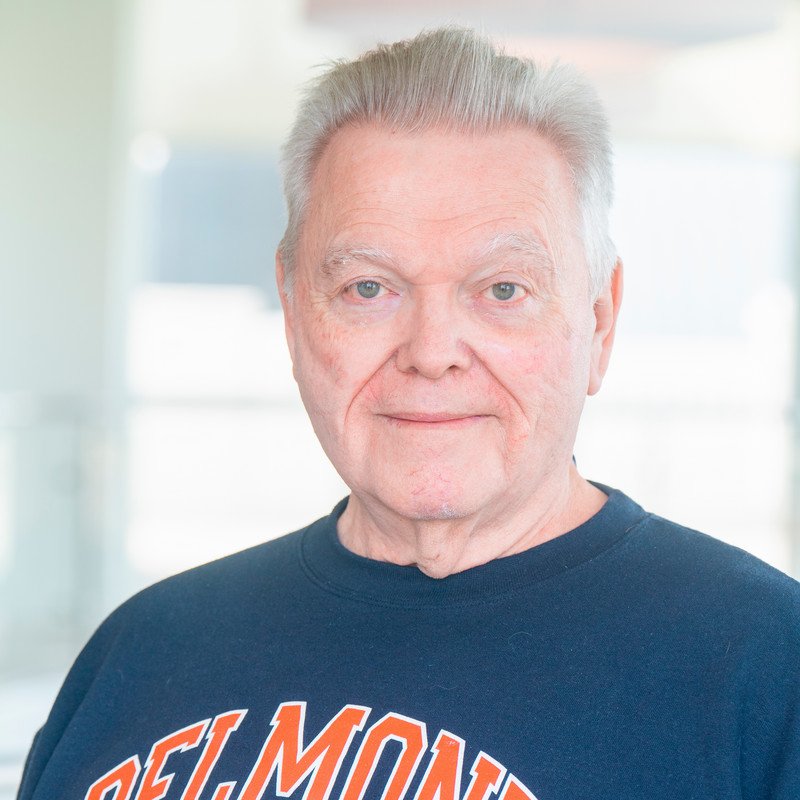
Hi, I’m Larry Fish, the mind behind MyGrinderGuide.com.. With a passion for all things kitchen appliances, I created this blog to share my hands-on experience and expert knowledge. Whether it’s helping you choose the right tools for your culinary adventures or offering tips to make your kitchen more efficient, I’m here to guide you. My goal is to make your time in the kitchen not only easier but also enjoyable! Welcome to my world of kitchen mastery!