
As an Amazon Associate I earn from qualifying purchases.
You need the right tools to code efficiently on Linux, but the options are overwhelming. The best choices depend on your workflow, whether you’re scripting, debugging, or just learning the command line.
We picked tools that solve real problems: quick references for commands, in-depth guides for mastery, and practical accessories for daily use. Each selection targets a different need, from beginners to seasoned developers.
This roundup covers books for learning, cheat sheets for speed, and desk essentials for comfort. No fluff, just what works.
Our Top 7 Linux For Coding Picks at a Glance
| Product | ||
|---|---|---|
 |
No Starch Press Linux Basics for Hackers 2nd Edition Security-focused coding |
Check Price |
 |
No Starch Press The Linux Command Line 3rd Edition Command line mastery |
Check Price |
 |
O’Reilly Linux Pocket Guide Quick command reference |
Check Price |
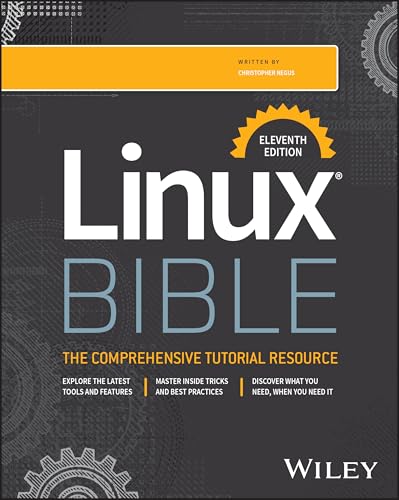 |
Wiley Linux Bible Comprehensive Linux knowledge |
Check Price |
 |
Pixiecube Extended Linux Commands Mousepad Desk reference for commands |
Check Price |
 |
QuickStudy Linux Reference Guide Laminated quick study |
Check Price |
 |
Linux for Beginners Guide New Linux users |
Check Price |
Top 7 Linux For Coding: Detailed Reviews
1. No Starch Press Linux Basics for Hackers 2nd Edition
Linux Basics for Hackers, 2nd Edition is a hands-on guide focused on Kali Linux, teaching networking, scripting, and security fundamentals. It skips theory for practical tasks, showing how to set up environments, write scripts for automation, and secure systems. The book assumes no prior Linux knowledge but moves quickly into real-world applications, making it ideal for those who want to apply Linux for coding and security work immediately.
What We Like:
- Covers Kali Linux, a top choice for security-focused coding
- Teaches scripting and networking with clear, actionable examples
- No fluff—directly addresses practical tasks
- Suitable for beginners with a focus on hands-on learning
What Could Be Improved:
- Assumes some technical curiosity, which may overwhelm absolute beginners
- Limited depth on advanced topics for experienced users
Buy this if you want a practical Linux for coding introduction with a security angle. Skip it if you need a broader or more theoretical overview of Linux systems.
2. No Starch Press The Linux Command Line 3rd Edition
The Linux Command Line 3rd Edition by No Starch Press is a thorough guide to mastering the shell and essential commands for coding and system administration. It walks you through practical examples, from basic navigation to scripting, making it ideal for developers who want to work efficiently in a Linux environment. The book assumes no prior knowledge but builds depth for intermediate users.
What We Like:
- Covers commands in a logical progression, from simple to advanced
- Includes real-world examples for coding and automation
- Explains shell scripting clearly for practical use
- Suitable for both beginners and those refining their skills
What Could Be Improved:
- Lacks hands-on exercises for some advanced topics
- Physical book format may not suit those preferring digital references
Buy this if you want a solid foundation in Linux commands for coding or system tasks. Skip it if you need a quick reference rather than a deep, structured guide.
3. O’Reilly Linux Pocket Guide
The Linux Pocket Guide by O’Reilly is a compact reference for essential commands you’ll use daily. It strips away fluff and focuses on practical syntax, file operations, and system management, making it ideal for quick lookups when you’re mid-task. The guide assumes you know the basics, so it skips explanations and gets straight to the commands you need to keep workflows smooth.
What We Like:
- Fits in a pocket or bag for on-the-go use
- Covers the most common commands without unnecessary details
- Durable paperback holds up to frequent handling
- Organized by task for fast navigation
- Lightweight and easy to carry
What Could Be Improved:
- No in-depth explanations for beginners
- Lacks advanced or niche commands
Buy this if you need a no-nonsense command reference for daily Linux for coding tasks. Skip it if you’re new to Linux or want a comprehensive guide with tutorials.
4. Wiley Linux Bible
The Linux Bible by Wiley is a thorough in-depth guide for advanced users and admins, covering everything from kernel internals to system administration. It assumes you already know the basics and dives into complex topics like networking, security, and scripting. You get practical examples and real-world scenarios that help you apply what you learn directly to your work.
What We Like:
- Covers advanced topics in depth, ideal for experienced users
- Includes practical examples and real-world use cases
- Broad scope from kernel to system administration
- Well-structured for reference and learning
What Could Be Improved:
- Not suitable for beginners due to its advanced focus
- Some sections may be overly technical for casual users
Buy this if you need a comprehensive Linux for coding reference and already have foundational knowledge. Skip it if you’re new to Linux or prefer a more beginner-friendly approach.
5. Pixiecube Extended Linux Commands Mousepad
The Pixiecube Extended Linux Commands Mousepad is a large desk mat that doubles as a cheat sheet for Linux For Coding, covering Kali, Ubuntu, Red Hat, and other distributions. It groups commands by category like networking and file management, so you can reference them without breaking workflow. The 31.5 x 11.8-inch size fits a keyboard and mouse, and the 2mm-thick surface adds comfort while resisting spills and wear.
What We Like:
- Commands are logically grouped for quick access during coding or troubleshooting
- Covers multiple distributions, making it versatile for different Linux For Coding environments
- Durable, water-resistant surface handles daily wear and spills
- Large size provides ample workspace for peripherals
- Soft padding reduces wrist strain during long sessions
What Could Be Improved:
- Not ideal for users who prefer digital references or minimal desk clutter
- Fixed layout may not suit everyone’s command organization preferences
This is a practical pick for developers who want a physical reference for Linux For Coding and value desk utility. Skip it if you rely on digital docs or need a more compact setup.
6. QuickStudy Linux Reference Guide
The QuickStudy Linux Reference Guide is a durable, laminated card offering a portable command reference for developers. Its compact size means you can keep it at your desk or in a bag, while the waterproof material resists wear from daily use. The guide covers essential commands and syntax, making it a practical tool for quick lookups without flipping through pages or searching online.
What We Like:
- Lightweight and easy to carry
- Laminated surface resists spills and tears
- Covers core Linux commands for coding
- No need for internet access to reference basics
- Fits in a pocket or next to your keyboard
What Could Be Improved:
- Limited space means it lacks advanced commands
- Small print may be hard to read for some users
This is ideal for developers who want a no-frills, offline reference for Linux for coding. Skip it if you need in-depth explanations or a comprehensive command list.
7. Linux for Beginners Guide
Linux for Beginners is a practical guide designed to help you grasp the Linux operating system and command line from the ground up. It includes self-evaluations to test your understanding, making it useful for hands-on learners who want to track progress. The book focuses on real-world applications, ensuring you gain actionable skills rather than just theoretical knowledge.
What We Like:
- Clear explanations of Linux fundamentals for new users
- Self-evaluations help reinforce learning through practice
- Covers command line basics in a structured way
- Practical focus means you apply concepts immediately
- Suitable for absolute beginners with no prior experience
What Could Be Improved:
- Lacks advanced topics for experienced users
- No companion digital resources or exercises
- Self-published, so editing quality may vary
Buy this if you are new to Linux and want a no-frills, self-paced introduction. Skip it if you already know the basics or need in-depth technical coverage.
How to Choose the Right Linux For Coding Tools
Choosing the right Linux for coding starts with your experience level. Beginners need clear, step-by-step guidance to avoid frustration, while advanced users benefit from deep dives into command-line tools and system internals.
Match the content to your goals
If you’re focused on security, pick a resource that covers permissions, scripting, and hardening techniques. For general development, prioritize books or guides that explain workflows, package management, and debugging in practical terms.
Consider the format
Books offer structured learning, but quick-reference guides or mousepads keep essential commands visible during active coding sessions. Think about where and how you work—portable, durable formats suit on-the-go developers.
Depth versus accessibility
A comprehensive guide is valuable if you want to master Linux for coding long-term, but a concise reference may be enough if you only need occasional reminders. Balance detail with usability to avoid overwhelming yourself.
Final Thoughts on Linux For Coding
The No Starch Press Linux Basics for Hackers 2nd Edition is the best overall pick for developers who need security-focused coding knowledge. For a more general approach, The Linux Command Line 3rd Edition is the strongest alternative, offering deep command-line mastery without assuming prior expertise.

Hi, I’m Larry Fish, the mind behind MyGrinderGuide.com.. With a passion for all things kitchen appliances, I created this blog to share my hands-on experience and expert knowledge. Whether it’s helping you choose the right tools for your culinary adventures or offering tips to make your kitchen more efficient, I’m here to guide you. My goal is to make your time in the kitchen not only easier but also enjoyable! Welcome to my world of kitchen mastery!