
As an Amazon Associate I earn from qualifying purchases.
Choosing Joint Compound For Drywall depends on the job, not just the container size. You may need a smooth compound for taped seams, a lighter formula for easier handling, or a low-dust option that simplifies cleanup.
Pay attention to drying indicators, shrinkage, sanding, application method, and whether the compound suits interior repairs. A ready-mixed formula can also save you the trouble of mixing material before work begins.
These five picks were selected from the listed features, with each one serving a different drywall-finishing need. The selection includes low-dust, lightweight, standard wallboard, and hand-or-mechanical application options.
This guide explains what sets each compound apart and helps you match the product to seam finishing, larger repairs, or more controlled patching work.
Our Top 5 Joint Compound For Drywall Picks At A Glance
| Product | ||
|---|---|---|
 |
DAP DryDex Low-Dust Joint Compound, 32 Oz Low-dust interior finishing |
Check Price |
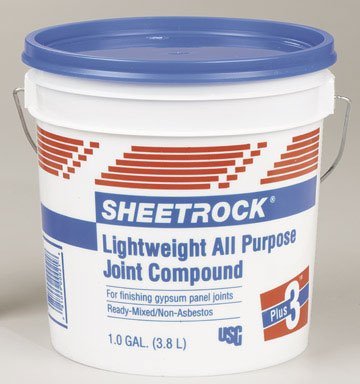 |
USG Plus-3 Lightweight Joint Compound Hand or mechanical application |
Check Price |
 |
DAP Wallboard Joint Compound, 12 Lb Taped seams and lasting repairs |
Check Price |
 |
DAP Lightweight Wallboard Joint Compound, 1 Gal Lighter large-area finishing |
Check Price |
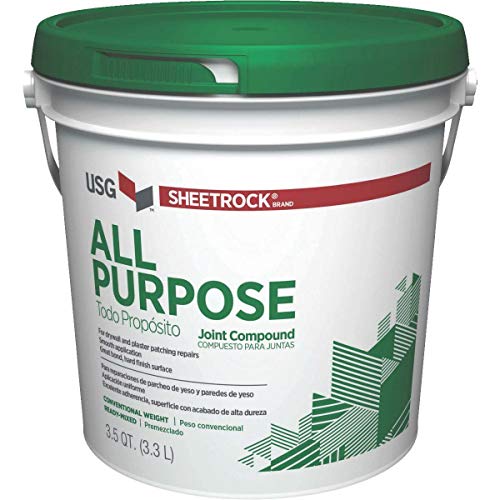 |
USG All Purpose Joint Compound, 3.5 Qt Ready-to-use general finishing |
Check Price |
Top 5 Joint Compound For Drywall: Detailed Reviews
1. DAP DryDex Low-Dust Joint Compound, 32 Oz
Joint Compound For Drywall repairs are easier to judge with DAP DryDex Lightweight Low Dust Joint Compound. This interior formula applies pink and dries white, giving you a clear signal that the next coat, sanding, or painting can begin. Its lightweight consistency shrinks less and may require fewer coats, while the de-aired formula helps prevent pinhole bubbles in finished joints. The low-dust formulation produces 70% less airborne dust than other low-dust joint compounds, so sanding creates less airborne mess and cleanup takes less effort. It suits gypsum panel joints, nail heads, and metal corner beads.
What We Like:
- The pink-to-white change makes readiness easy to see.
- 70% less airborne dust helps reduce sanding cleanup.
- The lightweight formula shrinks less and may save a coat.
- The de-aired formula helps prevent pinhole bubbles.
- It works for joints, nail heads, and metal corner beads.
What Could Be Improved:
- The 32-ounce container may not be practical for broad repairs or multiple rooms.
- It is intended for interior use, so you need another product for exterior work.
- You must wait for the compound to turn white before recoating, sanding, or painting.
Buy it if you are handling interior patching or finishing and want a visible drying cue with less airborne dust. It is especially useful for clean, controlled repairs around joints, nail heads, and corner beads. Skip it for exterior projects or large jobs where the 32-ounce size will run out quickly.
2. USG Plus-3 Lightweight Joint Compound
Joint Compound For Drywall repairs are more straightforward with this ready-mixed USG formula, which arrives prepared for use rather than requiring you to mix powder and water. It supports both hand application and mechanical tools, so you can spread it manually for smaller repairs or use compatible equipment for broader finishing work. The 3.5-quart container suits routine projects where convenience matters. Its ready-to-use format reduces setup, though you should still choose your application method and prepare the surface properly before spreading.
What We Like:
- Ready-mixed compound reduces preparation time.
- Hand application works well for straightforward repairs.
- Mechanical-tool compatibility supports broader finishing work.
- The 3.5-quart size is practical for routine projects.
- You can use one formula with different application methods.
What Could Be Improved:
- The 3.5-quart container may run short on larger drywall projects.
- You have less control over consistency than with a powder compound you mix yourself.
- The available details do not identify low-dust performance or other specialized properties.
Buy this USG compound if you want a ready-mixed option that works with either hand tools or mechanical equipment for general drywall finishing. It is less suitable if you need a larger container for extensive work, prefer mixing your own consistency, or specifically require documented low-dust performance.
3. DAP Wallboard Joint Compound, 12 Lb
DAP Wallboard Joint Compound is a ready-mixed Joint Compound For Drywall designed for smooth finishing on interior gypsum panels. You can use it to embed reinforcing tape, cover seams, finish nail heads, and coat metal corner beads without mixing powder first. It applies easily and sands for a professional-looking surface, while minimal shrinkage and crack resistance help repairs stay neat over time. The same compound also works for patching and texturing interior walls, giving you more flexibility than a product limited to joint finishing.
What We Like:
- Ready-mixed formula saves you the step of blending compound before application.
- Embeds reinforcing tape for taped seams and joint repairs.
- Sands easily, helping you smooth finished areas with less effort.
- Minimal shrinkage helps reduce the need for repeated touch-ups.
- Works for interior patches and wall texture as well as drywall joints.
What Could Be Improved:
- The compound is intended for interior surfaces, so it is not the right choice for exterior repairs.
- A 12-pound container may be more material than you need for a very small patch.
- It does not specifically promise low-dust sanding, which may matter if cleanup is a priority.
Buy this if you need one ready-mixed compound for taped seams, nail heads, corner beads, patches, or interior texture. Its easy application, sanding, and resistance to shrinkage suit lasting repairs. Skip it for exterior work, very small jobs where a 12-pound container is excessive, or low-dust sanding as your main requirement.
4. DAP Lightweight Wallboard Joint Compound, 1 Gal
This Joint Compound For Drywall is a lightweight, white interior formula for finishing gypsum panel joints, nail heads, and metal corner beads. Its reduced-shrink formula may help you achieve a smooth repair with fewer coats than standard joint compounds, saving some repeat work on suitable patches. The 1-gallon container suits larger finishing jobs. Plan around its 24-hour drying time between coats, let the compound dry thoroughly before sanding, and consider wet sanding to help control dust during cleanup.
What We Like:
- Lightweight handling makes larger finishing jobs less tiring.
- Reduced shrinkage may mean fewer coats on suitable repairs.
- Works on gypsum panel joints, nail heads, and metal corner beads.
- The white formula supports smooth, high-quality interior finishing.
What Could Be Improved:
- The 24-hour drying time between coats slows repairs that need quick completion.
- It is intended for interior use only, so it is not suitable for exterior repairs.
- You must wait for thorough drying before sanding, and wet sanding adds extra cleanup work.
Buy it if you are finishing multiple interior drywall joints, nail heads, or corner beads and value lighter handling with potentially fewer coats. Skip it if you need an exterior product, a fast recoating schedule, or a compound you can sand immediately after application.
5. USG All Purpose Joint Compound, 3.5 Qt
USG Interiors All Purpose Joint Compound is a ready-to-use Joint Compound For Drywall sold in a 3.5-quart, or 3.3-liter, container. Its all-purpose formulation suits buyers who want one straightforward material for general wall repair and finishing rather than a specialized compound. Because it comes ready to use, you avoid mixing before starting a job. The package weighs 13.4 pounds and measures 18.29 inches long and wide by 19.69 inches high, so you should plan storage and handling space before ordering.
What We Like:
- It arrives ready to use, reducing preparation before repairs.
- The all-purpose designation suits general wall repair and finishing work.
- The 3.3-liter quantity can cover more than a tiny touch-up.
- The 13.4-pound package provides a substantial amount for ongoing repairs.
What Could Be Improved:
- The 13.4-pound package may be cumbersome to carry or store.
- Its 3.5-quart size may be more than you need for a single small patch.
- The product is not described as lightweight or low-dust, so buyers seeking those specific traits should consider another option.
Buy this compound if you want a ready-to-use, general-purpose material for routine wall repairs and prefer not to mix your own. It makes less sense for a very small patch, limited storage, or jobs where low dust or a lightweight formula matters more than straightforward general use.
How To Choose Joint Compound For Drywall
Choosing Joint Compound For Drywall starts with matching the compound to the repair, your application method, and the amount of material you need. A product intended for a small patch may not be the most practical choice for multiple seams or broad wall finishing, so consider the job before comparing container sizes or labels.
Match the compound to the repair
For taped seams and lasting repairs, choose a compound intended for joint treatment rather than relying only on a general finishing product. If you are smoothing a broad area, a lightweight formula can reduce the effort involved in spreading and sanding. For minor interior finishing, a low-dust option may help keep cleanup more manageable.
Joint Compound For Drywall application method
Check whether the product supports hand application, mechanical application, or both. Hand application suits occasional repairs and gives you direct control over small areas. Mechanical application can make more sense when you are covering repeated seams or larger sections, but only if you already use the appropriate equipment and technique.
Choose a workable size
Container size should reflect the amount of work you expect to complete. A smaller container is easier to manage for isolated repairs and reduces the chance of keeping excess material around after the job. Larger tubs or containers are more suitable when you have several seams, a large wall, or repeated finishing work ahead.
Consider sanding and cleanup
Finishing drywall usually involves some sanding, so dust control matters if you are working in an occupied room or near furniture. A low-dust compound may make cleanup easier, but it does not remove the need to protect nearby surfaces. Lightweight products can also be easier to handle over large areas, while a ready-to-use formula can save you from preparing the compound before application.
Finally, consider whether you want a product for a specific task or a general-purpose compound. A task-focused option may be the better fit for seams, repairs, or low-dust finishing, while an all-purpose product offers broader usefulness for routine work.
Which Joint Compound For Drywall Should You Choose?
USG Plus-3 Lightweight Joint Compound is the best overall pick because it supports both hand and mechanical application, giving you flexibility across different projects. DAP DryDex Low-Dust Joint Compound is the best alternative if interior finishing and easier cleanup are your priorities. Choose the USG option for broader application flexibility, or the DAP option when low-dust finishing matters more than versatility.

Hi, I’m Larry Fish, the mind behind MyGrinderGuide.com.. With a passion for all things kitchen appliances, I created this blog to share my hands-on experience and expert knowledge. Whether it’s helping you choose the right tools for your culinary adventures or offering tips to make your kitchen more efficient, I’m here to guide you. My goal is to make your time in the kitchen not only easier but also enjoyable! Welcome to my world of kitchen mastery!