
As an Amazon Associate I earn from qualifying purchases.
Backcountry Ski gear covers more than skis. You may need a skills reference, a route guide, a pack for essentials, a compact repair tool, or a radio for staying in touch.
What matters depends on your trip. Look for practical coverage, useful carrying features, compatible tools, or clear regional route information instead of choosing by product type alone.
These five picks were selected because they serve different backcountry needs and avoid duplicate colour, size, or regional options. The selection is based on the product names and listed features provided.
This guide compares what each item is best suited for, then outlines the trade-offs to consider before you choose.
Our Top 5 Backcountry Ski Picks at a Glance
| Product | ||
|---|---|---|
 |
Mountaineers Books Backcountry Skiing Skills Guide Touring skills and preparation |
Check Price |
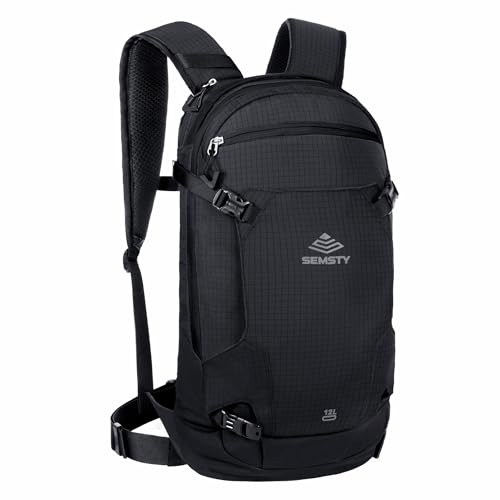 |
SEMSTY 12L Ski & Snowboard Backpack Carrying daily backcountry essentials |
Check Price |
 |
BCA BC Link Mini Radio Backcountry group communication |
Check Price |
 |
Dakine BC Tool Multitool Touring equipment adjustments |
Check Price |
 |
Mountaineers Books Washington Routes Guide Washington route planning |
Check Price |
Top 5 Backcountry Ski: Detailed Reviews
1. Mountaineers Books Backcountry Skiing Skills Guide
For a Backcountry Ski trip, Backcountry Skiing: Skills for Ski Touring and Ski Mountaineering is the broadest skills-focused reference in this selection. This Mountaineers Books guide is aimed at touring and ski mountaineering, with an emphasis on building practical skills and preparing for time outside marked terrain. Its value is breadth: you can use it as a central reference while learning, reviewing fundamentals, or preparing for more demanding objectives. It suits readers who want guidance that covers the activity as a whole rather than one narrow equipment choice.
What We Like:
- It covers both ski touring and ski mountaineering.
- The skills-focused approach supports preparation before you head out.
- Its broad scope makes it useful as a central reference.
- It fits readers building knowledge for backcountry travel.
- It complements equipment-specific purchases with planning and technique guidance.
What Could Be Improved:
- It cannot replace hands-on instruction or experience in local terrain.
- Its broad coverage may feel less targeted if you only need a quick answer about one touring task.
Buy it if you want one broad reference for developing ski-touring and ski-mountaineering skills, especially while preparing for more ambitious trips. Skip it if you already have strong practical experience or only want gear advice, since this is a skills and preparation guide rather than a piece of equipment.
2. SEMSTY 12L Ski & Snowboard Backpack
Backcountry Ski touring calls for a compact pack that keeps essential gear organised without restricting movement. The SEMSTY 12L Ski & Snowboard Backpack uses highly water-resistant nylon to help protect your load from snow and winter weather while keeping weight down. Purpose-built snow tool sleeves and an external shovel-blade carry keep key equipment accessible. You can carry skis diagonally, a snowboard vertically, or a snowboard horizontally. Its fleece-lined storage area, S-shaped shoulder straps, and breathable PE foam back panel add useful comfort for day tours.
What We Like:
- Multiple ski and snowboard carry configurations suit different approaches and terrain.
- Dedicated snow-tool sleeves and external shovel storage improve access during touring.
- Highly water-resistant nylon helps handle snow and winter conditions.
- The breathable back panel and S-shaped straps support more comfortable movement.
- The 12L size keeps the pack compact for daily backcountry essentials.
What Could Be Improved:
- The 12L capacity may feel restrictive if you carry bulky layers, extra food, or extensive safety equipment.
- The listed features do not describe an avalanche airbag system, so you should not treat it as one.
- The compact shape prioritises mobility over the storage flexibility of a larger touring pack.
Buy it if you want a lightweight day pack for backcountry skiing or snowboarding, with flexible carry options and organised space for core gear. Skip it if you need capacity for long tours, substantial extra clothing, or an integrated avalanche airbag system.
3. BCA BC Link Mini Radio
The BCA BC Link Mini Radio is a compact communicator for Backcountry Ski groups, with 22 FRS channels and 121 privacy codes. That gives you multiple channel and code combinations for coordinating with compatible radios, helping your group settle on a shared setup. Its rechargeable 1800 mAh battery avoids disposable batteries, while USB-C charging fits easily into a modern charging kit. BCA lists it for skiing, snowboarding, snowmobiling, snowshoeing or uphill travel, and all-terrain use, so it suits varied mountain days.
What We Like:
- The 22 FRS channels give your group plenty of channel options.
- The 121 privacy codes help groups organize their radio traffic.
- The rechargeable 1800 mAh battery reduces dependence on disposable batteries.
- USB-C charging works with a common modern charging connection.
- Its compact design suits skiing, snowboarding, snowshoeing and uphill travel.
What Could Be Improved:
- Your group needs to agree on the channel and privacy code before setting out.
- The 1800 mAh battery still needs regular charging for dependable trip readiness.
- It is designed for group communication, so it offers less value if you tour alone.
Buy the BCA BC Link Mini Radio if you tour with others and want a compact communicator for skiing, snowboarding or uphill travel. It is also a sensible fit for snowmobile and all-terrain use. Skip it if you rarely need group radio communication or prefer not to manage rechargeable equipment.
4. Dakine BC Tool Multitool
The Dakine BC Tool is a compact backcountry multitool for ski touring and splitboarding, combining Phillips, hex, Pozidriv, wrench and scraper functions in one carry-friendly design. For a Backcountry Ski setup, its #1, #2 and #3 Phillips drivers, 2 mm, 3 mm and 4 mm hex keys, #3 Pozidriv and 1/4-inch flat-head driver cover common field adjustments. The integrated 8 mm and 10 mm wrenches help with compatible hardware, while the plastic scraper clears touring equipment. Chrome vanadium steel construction adds durability, and a bottle opener is a useful extra.
What We Like:
- Multiple driver sizes handle common touring adjustments.
- Integrated 8 mm and 10 mm wrenches add useful hardware compatibility.
- The plastic scraper helps clear and maintain touring equipment.
- Compact construction keeps several tools together in one piece.
- The bottle opener adds a practical bonus function.
What Could Be Improved:
- Its fixed selection of driver and wrench sizes may not cover every repair.
- The plastic scraper is useful for clearing equipment but is less versatile than a dedicated scraper.
- A compact multitool cannot replace a fuller repair kit for more involved problems.
Buy it if you want a compact set of essential drivers, wrenches and a scraper for routine touring adjustments and minor field repairs. It suits skiers and splitboarders who value low-bulk carry. Skip it if your setup needs specialized sizes or you prefer carrying a comprehensive repair kit.
5. Mountaineers Books Washington Routes Guide
Backcountry Ski & Snowboard Routes Washington from Mountaineers Books is a region-specific guide for planning ski and snowboard trips in Washington. Its main value is geographic focus: you can use it to narrow your route research to the state rather than sorting through broad backcountry resources. The guide is aimed at trip preparation, helping you consider possible destinations before heading out. For Backcountry Ski planning, that focused coverage can make early research more relevant, especially if Washington is your usual touring area.
What We Like:
- It focuses specifically on Washington routes.
- It covers both backcountry skiing and snowboarding.
- It supports route planning before a trip.
- Its regional scope keeps research relevant to Washington users.
- It comes from Mountaineers Books, a publisher associated with outdoor guides.
What Could Be Improved:
- Its Washington focus limits its usefulness if you tour elsewhere.
- The available information does not identify extra features such as maps, route difficulty, or safety content.
- You may need additional resources for broader touring skills and preparation.
Buy it if you plan ski or snowboard tours in Washington and want a guide centered on regional route research. It should suit local backcountry users better than a general guide. Skip it if you need nationwide coverage, foundational touring instruction, or a resource for areas outside Washington.
How To Choose Backcountry Ski Gear
Match the purchase to your touring problem
Before choosing a Backcountry Ski accessory or guide, decide what gap you need to fill. Touring preparation, daily carry, group communication, equipment adjustments, and route planning are separate jobs, so a product that works well for one may add little value for another. Start with the task you expect to handle most often rather than buying the broadest-looking option.
Prioritise practical usefulness
For skills and route-planning material, look for clear instruction, relevant preparation advice, and information that matches the terrain you expect to visit. A guide should help you make decisions before you leave, not simply provide background reading. For equipment, consider whether the item solves a problem you regularly encounter and whether you can use it quickly with gloves, limited visibility, or changing conditions.
Consider how the item fits your group and kit
Carrying gear is a balance between access and clutter. Check what you already carry, how often you need the item, and whether its size or format suits day tours. Communication equipment deserves the same scrutiny: think about who needs to use it, how your group normally coordinates, and whether the device fits your established communication plan. A tool is most useful when everyone knows where it is and how it works.
Backcountry Ski buying decisions that hold up over time
- Choose preparation material that reflects your experience level and the kind of touring you plan to do.
- Choose carrying equipment around your essential load, rather than the bag’s capacity alone.
- Choose communication gear for your group’s actual needs, including how often you may need to coordinate.
- Choose a multitool based on the adjustments you genuinely make on tour.
- Choose route-planning material that matches your destination; local relevance can matter more than broad coverage.
Finally, separate essential purchases from convenience items. A useful guide or tool should support a specific decision or recurring task. If you cannot explain when you would use something, save the space and money for equipment that addresses a clearer need.
Which Backcountry Ski Pick Should You Choose?
The Mountaineers Books Backcountry Skiing Skills Guide is the best overall pick because it supports touring skills and preparation, the foundation for safer, more informed days out. The Mountaineers Books Washington Routes Guide is the best alternative if your trips centre on Washington and your main need is route planning. Choose the SEMSTY pack, BCA radio, or Dakine multitool instead when carrying essentials, group communication, or equipment adjustments is your immediate priority.

Hi, I’m Larry Fish, the mind behind MyGrinderGuide.com.. With a passion for all things kitchen appliances, I created this blog to share my hands-on experience and expert knowledge. Whether it’s helping you choose the right tools for your culinary adventures or offering tips to make your kitchen more efficient, I’m here to guide you. My goal is to make your time in the kitchen not only easier but also enjoyable! Welcome to my world of kitchen mastery!