
As an Amazon Associate I earn from qualifying purchases.
Finding the right Positions For Beginners guide can be difficult because the phrase covers very different subjects. A violin student needs structured technique, while a football fan or adult learner needs an entirely different kind of introduction.
The most important choice is matching the book to your goal. Look at the subject, the level of instruction, and whether the product focuses on positions, practical guidance, exercises, rules, or terminology.
These five picks were selected from the supplied product details and ranked by how directly they address beginner position learning. The list includes violin and cello method books, adult guides, and an American football reference.
Use the quick comparison to find the closest match, then read each summary for its specific focus and limitations.
Our Top 5 Positions For Beginners Picks At A Glance
| Product | ||
|---|---|---|
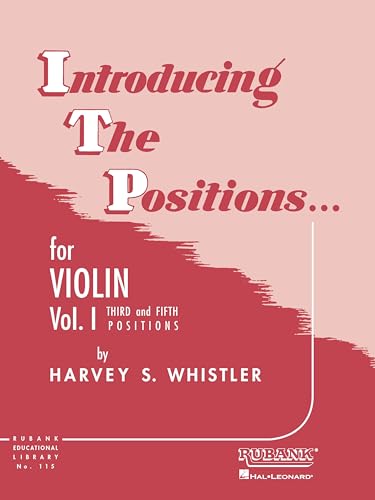 |
Rubank Introducing Positions for Violin Volume 1 Beginning violin position work |
Check Price |
 |
Introduction to Positions for Cello Beginning cello students |
Check Price |
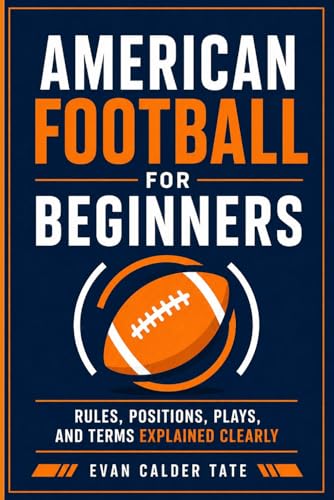 |
American Football For Beginners Learning football positions |
Check Price |
 |
BDSM Positions: The Beginner’s Guide BDSM newcomers |
Check Price |
 |
Sex Position For Beginners Beginning sexual exploration |
Check Price |
Top 5 Positions For Beginners: Detailed Reviews
1. Rubank Introducing Positions for Violin Volume 1
Positions For Beginners will find a focused introduction to violin position work in Rubank’s Introducing the Positions for Violin Volume 1. Written by Harvey S. Whistler, this 56-page method book covers third and fifth position, giving beginning players a dedicated resource rather than a broad general method. As part of the String Method Series, it is designed for students starting to move beyond first-position playing. Its compact format keeps the scope clear, though you should expect a specialised supplement rather than a complete violin course.
What We Like:
- It focuses specifically on third and fifth position.
- The 56-page format keeps the material manageable for beginners.
- It comes from the established Rubank Publications String Method Series.
- Harvey S. Whistler provides a dedicated method rather than scattered exercises.
- It suits violinists ready to begin structured position work.
What Could Be Improved:
- It covers only third and fifth position, so it is not a complete beginner violin method.
- Students still needing basic violin instruction may need another book alongside it.
- Its specialised focus may feel narrow if you want broader technique or repertoire.
Buy it if you are a beginning violin student ready to study third and fifth position with a concise, focused book. It also suits teachers seeking a dedicated position-work supplement. Skip it if you need a full start-to-finish violin course or material covering a wider range of positions.
2. Introduction to Positions for Cello
Introduction to Positions for Cello: Half, Second, and Third Position for Beginners is a focused learning resource for beginning cello students. Its defining feature is coverage of half, second, and third positions, giving you a clearly limited area to study instead of a broad survey of cello instruction. If you are comparing Positions For Beginners, this title is relevant specifically to cello. The narrow focus may help when your immediate goal is these three positions, but it is not intended for violinists, advanced players, or learners seeking wider technical guidance.
What We Like:
- It is aimed directly at beginning cello students.
- It covers half, second, and third position in one focused resource.
- The limited scope keeps the subject matter clear and specific.
- It suits learners whose immediate priority is cello position work.
What Could Be Improved:
- Its narrow coverage means you will need other material for positions beyond the three named.
- The available product information does not specify exercises, teaching methods, or supporting features.
Buy it if you are a beginner cello student specifically working on half, second, or third position and want a resource centred on those areas. Skip it if you play another instrument, already have advanced experience, or need a broader cello method covering more positions and techniques.
3. American Football For Beginners
If you are looking for Positions For Beginners guidance in American football, this book introduces the sport through its player roles, rules, plays, and terminology. Its broad coverage gives you context for understanding what each position does, how plays fit together, and why common football terms matter. The clear, beginner-focused explanations should help new fans, players, or parents follow the action without needing prior knowledge. It is designed as an accessible starting point rather than a specialised coaching manual or advanced tactical reference.
What We Like:
- It explains football positions in a beginner-friendly way.
- Rules and plays are covered alongside player roles, giving you useful context.
- The terminology focus can make games easier to follow.
- Its broad introduction suits new fans, players, and parents.
- The clear presentation should reduce the confusion common to football newcomers.
What Could Be Improved:
- Its introductory scope may feel too basic once you understand the sport’s fundamentals.
- Readers seeking detailed coaching drills or advanced strategy may need a more specialised book.
Buy it if you are new to American football and want one accessible introduction to positions, rules, plays, and terminology. It also suits parents or fans trying to follow games more confidently. Skip it if you already understand football basics or need in-depth coaching, tactical analysis, or position-specific training.
4. BDSM Positions: The Beginner’s Guide
For readers comparing Positions For Beginners resources, BDSM Positions: The Beginner’s Guide to BDSM is presented as an introductory guide for people new to BDSM. Its title makes the subject and intended audience clear, while the focus on positions suggests a practical starting point rather than a general relationship book. However, the available listing provides no feature details, sample pages, format information, or confirmed coverage of safety and consent. That leaves you unable to judge how thorough, visual, or beginner-friendly the guidance is before buying.
What We Like:
- The title clearly identifies BDSM as the subject.
- It is explicitly aimed at newcomers.
- The focus on positions gives the guide a defined scope.
- Its beginner framing may make the topic feel more approachable.
- The listing is easy to distinguish from general BDSM books.
What Could Be Improved:
- The listing provides no details about safety, consent, or responsible practice.
- You cannot confirm whether it includes illustrations, examples, or step-by-step explanations.
- The available information does not show how comprehensive the guide is.
Buy it if you want a clearly labelled introduction to BDSM positions and are comfortable deciding with limited product information. Skip it if you need confirmed coverage of consent and safety, visual guidance, a detailed contents list, or evidence that the material matches your experience level.
5. Sex Position For Beginners
Sex position For Beginners is a beginner-focused guide for people starting to explore sexual positions. Its main appeal is a straightforward focus on the best sex positions for newcomers, which gives you a clearly defined starting point rather than a broad, general reference. The guide is presented as a way to begin enjoying sex from the start, so it may suit readers seeking introductory direction. However, the available information does not list additional features, supporting illustrations, safety guidance, or the depth of its coverage.
What We Like:
- It focuses specifically on beginners.
- The subject is clear from the title and description.
- It offers a starting point for exploring sex positions.
- Its narrow scope may make it approachable for newcomers.
- It is aimed at getting started rather than advanced study.
What Could Be Improved:
- The available information does not identify safety or consent guidance.
- No illustrations, structure, or other learning aids are specified.
- Readers seeking comprehensive or advanced coverage may find the scope limited.
Buy it if you want an introductory guide centred on sex positions and are starting your exploration. Skip it if you need clearly documented safety advice, illustrations, detailed coverage, or advanced guidance, since the available product information does not confirm those features.
How To Choose Positions For Beginners Materials
Choosing among Positions For Beginners titles starts with matching the subject to your actual goal. A useful guide should make the basic idea clear without assuming previous experience, whether you are learning an instrument, understanding a sport, or exploring an adult topic. Before buying, identify the skill or question you want to address, then check that the title’s stated focus matches it closely.
Match the guide to your starting point
Beginner labels can cover very different levels. Look for wording that points to an introductory scope rather than advanced technique, specialist knowledge, or a narrow follow-up topic. For music, that may mean a guide focused on early position work. For sport, it may mean an explanation of roles on the field. For adult subjects, choose material that presents concepts clearly and respects the fact that readers may have little prior knowledge.
Check the subject and intended use
Titles with similar wording may serve completely different purposes. Decide whether you want instruction, terminology, practical ideas, or a basic orientation before choosing. A violin resource will not help with cello technique, and a football positions guide will not answer questions about sexual exploration. Treat the stated subject as a buying filter, not just a title detail.
Consider clarity, comfort, and boundaries
The best introductory resource should leave you knowing what to try next, while keeping its limits clear. For physical activities, look for guidance you can approach at your own pace and adapt to your circumstances. In BDSM or sexual material, prioritize consent, communication, comfort, and the ability to stop at any time. A beginner guide should support informed choices rather than pressure you into situations you do not want.
Choose the format you will use
Think about when and where you expect to use the material. A concise reference may suit quick questions, while a teaching-focused title may work better if you plan to practise over time. Also consider whether you want one narrowly defined subject or a general introduction. The right purchase is the one whose scope, level, and approach fit your immediate reason for reading.
Which Positions For Beginners Pick Fits You?
The best overall pick is Rubank Introducing Positions for Violin Volume 1 if you want a clearly beginner-focused music resource centred on violin position work. Introduction to Positions for Cello is the best alternative for beginning cello students, since it serves the same kind of early learning need on a different instrument. The remaining picks are better matched to readers specifically seeking football positions, BDSM basics, or introductory sexual exploration.

Hi, I’m Larry Fish, the mind behind MyGrinderGuide.com.. With a passion for all things kitchen appliances, I created this blog to share my hands-on experience and expert knowledge. Whether it’s helping you choose the right tools for your culinary adventures or offering tips to make your kitchen more efficient, I’m here to guide you. My goal is to make your time in the kitchen not only easier but also enjoyable! Welcome to my world of kitchen mastery!