
Remember that sweet, jiggly delight you spread on toast or enjoyed as a snack? What if you could have that same joy, but without any of the artificial stuff? It’s a question many of us ask when looking for healthier treats for ourselves and our families. The world of jelly can be a little tricky, can’t it? So many jars line the shelves, and figuring out which ones are truly “organic” and good for you can feel like a puzzle.
Navigating the grocery store for organic jelly can be frustrating. You want something delicious and natural, but the labels can be confusing. Sometimes, you might pick one only to find out it’s packed with added sugars or ingredients you can’t even pronounce. That’s where we come in! This post is your guide to understanding what makes organic jelly so special and how to pick the best one for your pantry.
By the time you finish reading, you’ll know exactly what to look for. We’ll explore the benefits of choosing organic, discuss what ingredients to keep an eye on, and even share some delicious ways to enjoy your naturally sweet discoveries. Get ready to discover a world of pure, fruity goodness that tastes amazing and makes you feel good, too!
Top Organic Jelly Recommendations

- 17 ounces of organic strawberry fruit spread
- Made with organic strawberries and cane sugar
- Perfect for sandwiches, toast, and baking
- USDA Certified Organic and non-GMO
- No artificial colors, flavors, or preservatives

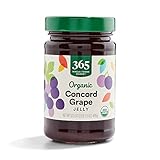
- 17.5 ounces of organic concord grape jelly
- Made with organic concord grapes and cane sugar
- Perfect spread for sandwiches, toast, and baking
- USDA Certified Organic and non-GMO
- No artificial colors, flavors, or preservatives

- 17 ounces of organic mixed berry fruit spread
- Blend of organic berries and cane sugar
- Perfect for sandwiches, toast, and baking
- USDA Certified Organic and non-GMO
- No artificial colors, flavors, or preservatives

- Made with organic raspberries and organic cane sugar
- Natural fruit pectin creates perfect jam consistency
- Spread on bagels, bread, biscuits, or any favorite baked goods
- No artificial preservatives or flavors

- Jams and Jelly
- Certified Organic
- Pick the Best
- Perfectly Sweetened with Fruit Juice Concentrate

- The information below is per-pack only
- Organic wild blueberry spread made with real fruit
- Rich, naturally sweet flavor perfect for breakfast
- No artificial ingredients or preservatives
- 17 ounce glass jar for easy spreading

- Organic blackberry fruit spread
- 17 ounce jar
- Made with organic blackberries and cane sugar
- No artificial preservatives or corn syrup
- Perfect on toast, bagels, and pastries

- HAND-HARVESTED - From select regions of Italy, our heirloom fruits are sweet, intense, and true to flavor. It speaks to the pride of the farmers who produce them & cannot be found anywhere else
- NO ADDED SUGAR - Our Organic Wild Berry Fruit Spread contains no added cane sugar and has the lowest sugar content among leading brands
- QUALITY OVER QUANTITY - Made in small batches to maintain a consistent and premier product. There are no added preservatives and requires refrigeration after opening
- PRESERVING THE FRUIT'S RICH FLAVOR - We process our wild berries at low temperatures and then cook slowly to preserve the fruit's flavor and bright color
- OUR STORY - Bionaturae is embraced by American consumers as the premier brand of organic foods from Italy. We have remained a family-oriented with a heartfelt devotion to quality and tradition
Your Guide to Delicious Organic Jelly
Looking for a sweet treat that’s good for you and the planet? Organic jelly is a fantastic choice! It’s made with natural ingredients and without harmful pesticides. This guide will help you find the best organic jelly for your taste buds.
What to Look For in Organic Jelly
Key Features to Consider
- Real Fruit Flavor: Great organic jelly tastes like real fruit. It shouldn’t taste artificial or too sugary. Look for labels that say “made with real fruit” or list specific fruits like strawberries, grapes, or raspberries.
- Simple Ingredients: The best organic jellies have short ingredient lists. You want to see fruit, sugar (often organic cane sugar), and pectin (which makes it jelly-like). Fewer ingredients usually mean better quality.
- No Artificial Additives: Organic means no artificial colors, flavors, or preservatives. Always check the label to make sure these aren’t hiding in the ingredients.
- Texture: Good jelly has a nice, spreadable texture. It’s firm enough to hold its shape but soft enough to spread easily on toast or crackers.
Important Materials Used
Organic jelly relies on a few key things to make it delicious and safe:
- Organic Fruits: This is the star! Farmers grow these fruits without harmful pesticides or synthetic fertilizers. This means cleaner fruit for your jelly.
- Organic Sugar: Most jellies need sugar to taste sweet and to help preserve them. Organic cane sugar or organic beet sugar are common.
- Pectin: This is a natural gelling agent found in fruits. It helps turn the fruit juice and sugar into that jiggly jelly texture we love.
- Citric Acid: Sometimes added to help balance the sweetness and brighten the fruit flavor. It’s usually derived from natural sources.
What Makes Organic Jelly Great (or Not So Great)
- Quality Boosters: Using fresh, ripe organic fruit makes a huge difference. High-quality pectin also helps create a better texture. Small-batch production often means more care is put into each jar.
- Quality Reducers: Using less fruit or unripe fruit can lead to a weaker flavor. Too much sugar can overpower the fruit. Artificial ingredients, even if they sneak in, can make it taste less natural.
Enjoying Your Organic Jelly
User Experience and Use Cases
Organic jelly is super versatile! Here are some fun ways to enjoy it:
- Breakfast Staple: Spread it on toast, bagels, or English muffins. It’s a classic for a reason!
- Peanut Butter’s Best Friend: The perfect partner for a peanut butter and jelly sandwich. Kids and adults love it!
- Sweeten Your Snacks: Dollop it on yogurt, oatmeal, or pancakes for an extra burst of fruity flavor.
- Baking Buddy: Use it as a filling for cookies, cakes, or pastries. It adds a lovely sweetness and fruitiness.
- Cheese Board Charm: A small spoonful of fruit jelly can be a delightful addition to a cheese board, pairing well with different cheeses.
Choosing organic jelly means you’re picking a product that’s made with care for your health and the environment. Enjoy exploring the different fruity flavors!
Frequently Asked Questions about Organic Jelly
Q: What does “organic” mean for jelly?
A: “Organic” means the ingredients, like the fruit and sugar, were grown without synthetic pesticides, fertilizers, or genetically modified organisms (GMOs). It also means no artificial colors, flavors, or preservatives are added.
Q: Are there different types of organic jelly?
A: Yes! You can find organic jelly made from many different fruits like grapes, strawberries, raspberries, blueberries, and more. Some brands also offer unique flavor combinations.
Q: Is organic jelly healthier than regular jelly?
A: Organic jelly is generally considered healthier because it avoids potentially harmful chemicals used in conventional farming and processing. It still contains sugar, so moderation is key.
Q: How long does organic jelly last?
A: An unopened jar of organic jelly can last for a year or two, sometimes longer, if stored in a cool, dark place. Once opened, it should be refrigerated and typically lasts for several weeks to a few months.
Q: Can I make my own organic jelly?
A: Absolutely! Making organic jelly at home is a rewarding process. You control all the ingredients, ensuring they are organic and fresh.
Q: What’s the difference between organic jelly and organic jam?
A: Jelly is made from fruit juice, so it’s smooth and clear. Jam is made from crushed fruit, so it contains fruit pulp and may have a thicker, chunkier texture.
Q: Is organic jelly always more expensive?
A: Often, organic jelly costs a bit more than regular jelly. This is because organic farming practices can be more labor-intensive and may result in slightly lower yields.
Q: What if my organic jelly is too hard or too soft?
A: If it’s too hard, gently warm it slightly to make it more spreadable. If it’s too soft, it might be a sign of too much liquid or not enough pectin. It’s still safe to eat, just less firm.
Q: Where can I buy organic jelly?
A: You can find organic jelly at most grocery stores, especially in the natural or organic food sections. Health food stores and online retailers are also great places to look.
Q: Are there any specific certifications to look for on organic jelly?
A: Yes, look for the USDA Organic seal. This certification guarantees that the product meets strict organic standards from farm to table.

Hi, I’m Larry Fish, the mind behind MyGrinderGuide.com.. With a passion for all things kitchen appliances, I created this blog to share my hands-on experience and expert knowledge. Whether it’s helping you choose the right tools for your culinary adventures or offering tips to make your kitchen more efficient, I’m here to guide you. My goal is to make your time in the kitchen not only easier but also enjoyable! Welcome to my world of kitchen mastery!