
Ever found yourself wrestling with stubborn wires, wishing you had the perfect tool to snip them cleanly and easily? It’s a common frustration for anyone tackling a DIY project, electrical work, or even just needing to tidy up some cables. The sheer variety of wire snips out there can be overwhelming. You might wonder, “Which one is best for my job?” or “Will this tool actually cut what I need it to?”
Choosing the wrong wire snips can lead to messy cuts, damaged wires, or even a tool that just doesn’t do the job. That’s why understanding what makes a good pair of wire snips is so important. In this post, we’ll cut through the confusion and explain everything you need to know. You’ll learn how to pick the right snips for your specific needs, saving you time, effort, and potential headaches.
Get ready to discover the secrets to effortless wire cutting. We’ll dive into the different types of wire snips, what features to look for, and how to use them like a pro. So, let’s get started and find the perfect snips to make your next project a breeze!
Top Wire Snips Recommendations

- Flush-cut Wire Cutter: Extra-long cutting edge can easily snips electrical wire up to 12 AWG. Excellent for zip ties, Artificial Flowers, jewelry making, beading wire, model kit, trimming circuit boards, electronics work, Ethernet cable preparation, and any that requires a flush cut
- Compact Size: The wire cutters have a compact size and are lightweight, making them easy to carry and use in tight spaces
- High-quality Steel: Made of high-quality chrome-vanadium steel, which is strong and durable, with high hardness, good wear resistance, and long service life
- Ergonomically Designed Handle: Spring-loaded handles are designed for comfort and reduce user fatigue. The surface is coated with non-slip frosted paint, which is comfortable to hold and non-slip. Non-slip and ergonomic handle, more labor-saving, comfortable grip, durable and not easy to slip
- Widely Used: The wire cutters can cut various materials such as plastic, aluminum wires, and copper wire etc. They are suitable for florists, electricians, engineers, machinery maintenance, etc.
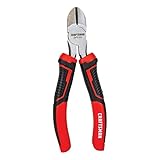
- COMFORT AND CONTROL: Multi-zone bi-material grips
- INDUCTION HARDENED: Cutting edges stay sharper longer
- STRENGTH AND DURABILITY: Drop forged steel
- Corrosion-resistant finish


- Portable & Efficient:This flush-cut wire cutter is compact and portable. Its extra-long edge easily cuts 12 AWG wires. Great for tasks like handling zip ties, making jewelry and trimming circuit boards, it meets various precise operation needs.
- High - Quality Steel:Made of high-quality chrome-vanadium steel, it is strong, hard and wear-resistant. It withstands frequent use, performs stably in tough jobs, reduces tool replacement and saves costs.
- Ergonomic Design:The spring-loaded handle is ergonomic, reducing hand fatigue. With non-slip frosted paint, it offers a comfortable and stable grip, making cutting more effortless and keeping hands comfortable during long use.
- Wide Application:The Wire Cutters can cut various materials like plastic, aluminum and copper wires. Suitable for florists, electricians, engineers and DIYers, it meets cutting needs of both professionals and hobbyists, being highly practical.
- Package & Reminder:Comes with 2 x 5-inch wire cutter. If there are oil stains on the pliers, it's protective oil. Don't use it to cut steel wires or hard metals. We offer great customer service. Contact us if you have questions, and we'll reply within 24 hours.

- CUT FINE MATERIAL: Cutting pliers cut zip ties, small wire, and other fine material with ease
- PRECISE CUTTING: Side cutters produce a flat, flush cut and minimize fly-off with pinch cutting feature
- ZIP TIE CUTTER: Flush cut pliers eliminate sharp edges when cutting zip ties
- SLIM PROFILE: Small wire cutters increase access in confined areas
- DIAGONAL CUTTING PLIERS: Wire snips knife design snips wire up to 16 AWG

- 【170 Wire Cutters】5 Inch micro flush cutters are small enough to get into tight spaces, side cutters have a flat edge to get close to the piece needing minimal filing down, are pretty strong for cutting thicker pieces of plastic
- 【Sharp and Precise】Precision wire cutter has an 12mm Long high-frequency hardened carbon steel jaw with angled head design, sharp and well machined. These snips, dykes can easily shear copper and soft wire up to 18 awg
- 【Internal Spring Loaded】These jewelry wire cutters are internal spring loaded, have a limited opening which makes them easier to hold, convenient to use
- 【Ergonomic Hand Grip】The cutting pliers, 3d printing pliers, spring loaded wire cutters are covered with PVC material, comfort-grip handles give good leverage, thin and lightweight so it's easy to keep on you
- 【Side Cutters Application】Robust quality diagonal cutters, wire clippers are perfect for flush cutting stems of artificial flowers and other wired products used in crafting and decorating. Works well for many things like trimming plastic parts, small wire, pc board , zip ties and so on. Don't try to cut hard steel as it will damage the cutting edge
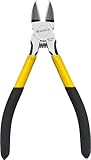
- 【Material】BOOSDEN Wire Cutters are made of special steel,high-carbon steel, This small wire cutters blades are high-frequency hardened, Ultra sharp indeed. And this dikes wire cutters is suitable for professional people use, can snip wires up to 12 AWG.
- 【Versatility】This diagonal wire cutters are suitable for cutting soft copper wire, plastic wire, small cable, aluminum wire, soft alloy wire, wire flush cutter jewelry making. This wire cutters for crafts is easy to use and specially suitable for tight place using.
- 【Body design】The handle of flush cutters pliers, flush cutter for jewelry making, has a rubber handle, which can play a protective role and provide a comfortable grip, Ergonomic Handle and Streamline Design.
- 【Spring Loaded and Labor Saving】This diagonal wire cutters can improve efficiency, and the spring loaded wire cutters, cutting pliers, can reduce fatigue.This wire snips works well for someone with arthritis or grip issues.
- 【Friendly Reminder】Please kindly note that the jewelry wire cutters,cutting pliers, are non-insulated, please cut off the power before using this flush wire cutters,wire cutting pliers. It is not recommended to cut steel wire or any other hard metal materials with this wire cutters.

- Cutter, Micro, Clean Cut, 16 AWG, Pack of 3
- Pack of 3 Micro Cutters
- Size: 16 AWG max cutting diameter
- Material: Rockwell Hardness (RHC): 56
- Cutting Force: 5kg

- 【Purpose-Built for Straight Cuts】Designed for straight-line cutting and wide, gentle curves. These Straight-Cut snips are a reliable choice for HVAC ducts, gutter repairs, and thin metal DIY projects. Note: Not intended for tight circles or sharp angles.
- 【Reliable Cutting Capacity】Optimized for thin, soft sheet materials: cuts up to 20-gauge cold rolled steel and 22-gauge stainless steel. To protect blade integrity, please avoid using on hardened steel, metal rods, or wire mesh.
- 【Durable Cr-V Serrated Blades】 Forged from premium Chrome Vanadium (Cr-V) steel with micro-serrations to grip the metal and prevent slipping. Tip: Engineered specifically for metal; not recommended for cardboard, fabric, or fiberglass.
- 【Ergonomic Handle with Hanging Hole】Features a non-slip Tyregrip handle for a secure, comfortable hold and a built-in hanging hole for easy workshop storage. Fit Note: As hand sizes vary, please check the 10" tool dimensions to ensure the best grip and leverage for your needs.
- 【Safety Latch & Easy Care】Equipped with a sturdy manual safety latch for secure storage and a self-opening spring for smooth operation. Pro Tip: Wear cut-resistant gloves and apply light oil to the pivot periodically to maintain fluid, rust-free action.
Choosing the Right Wire Snips: A Handy Guide
Wire snips, also called wire cutters, are essential tools for anyone who works with wires. Whether you’re an electrician, a crafter, or just need to snip some wire around the house, the right pair of snips makes the job easier and safer. This guide will help you find the perfect wire snips for your needs.
Key Features to Look For
When you’re shopping for wire snips, keep these important features in mind.
1. Cutting Capacity
This tells you the maximum thickness and type of wire the snips can cut. Some snips are designed for thin electrical wire, while others can handle thicker gauge wires or even small cables. Always check the manufacturer’s specifications.
2. Blade Type and Design
- Flush Cut: These blades cut wire very close to a surface. This is great for electronics where you don’t want any wire sticking out.
- Angled Blades: Some snips have angled blades. This can help you reach tight spots.
- Serrated Blades: These blades have small teeth. They grip the wire better, preventing it from slipping while you cut.
3. Handle Comfort and Grip
Good handles make a big difference. Look for:
- Ergonomic Design: Handles shaped to fit your hand comfortably reduce strain.
- Non-Slip Grip: Rubber or plastic grips prevent your hands from sliding, especially if your hands are sweaty or oily.
- Spring-Loaded Handles: These automatically open the snips after each cut. This speeds up your work and reduces hand fatigue.
4. Durability and Build Quality
You want snips that will last. A solid construction means they won’t break easily.
Important Materials
The materials used to make wire snips greatly affect their performance and lifespan.
1. Blades
- High-Carbon Steel: This is a common and good choice. It’s strong and holds a sharp edge well.
- Chrome Vanadium Steel: This is even stronger and more durable than high-carbon steel. It resists corrosion too.
- Tungsten Carbide: Some high-end snips have tungsten carbide inserts in the blades. This makes them incredibly hard and able to cut through tough wires.
2. Handles
- Plastic: Often used for basic grips.
- Rubber or Silicone: These provide excellent grip and comfort.
- Composite Materials: These can offer a balance of strength and lightness.
Factors That Improve or Reduce Quality
What makes a pair of wire snips great or not so great?
1. What Makes Them Better:
- Precision Machining: Well-made blades align perfectly, leading to clean cuts.
- Hardened Blades: Blades that are heated and cooled in a special way (hardened) stay sharp longer and are less likely to chip.
- Corrosion Resistance: Coatings or specific steel types prevent rust, keeping your snips working well.
- Smooth Pivot Point: The joint where the two halves of the snips meet should be smooth. This allows for easy opening and closing.
2. What Makes Them Worse:
- Loose Pivot: If the joint is wobbly, the blades won’t meet evenly. This leads to messy cuts and can damage the snips.
- Soft Metal Blades: Blades made from cheap metal will dull quickly and can bend.
- Poorly Designed Handles: Uncomfortable handles can cause blisters and make the tool hard to use.
- Lack of Lubrication: A dry pivot point can make the snips stiff and difficult to operate.
User Experience and Use Cases
How do wire snips feel in your hand, and what jobs are they good for?
1. Ease of Use
- Comfort: Snips that feel good in your hand allow you to work for longer periods without pain.
- Cutting Action: A smooth, effortless cut makes any task feel less like work.
- Reach: The length of the snips and the shape of the jaws can affect how easily you can access wires in different locations.
2. Common Uses:
- Electrical Work: Cutting wires for home repairs, installing lights, or working on appliances.
- Crafting and DIY Projects: Trimming threads, cutting wire for jewelry making, or shaping materials for models.
- Gardening: Cutting thin garden wire or ties.
- General Household Tasks: Opening plastic packaging, snipping loose threads on clothes.
Frequently Asked Questions (FAQ) about Wire Snips
Q: What is the most important feature to look for in wire snips?
A: The most important feature is the cutting capacity. You need to make sure the snips can cut the type and thickness of wire you’ll be working with.
Q: Are spring-loaded handles really worth it?
A: Yes, spring-loaded handles make cutting much faster and easier, especially if you have a lot of wires to cut. They reduce hand fatigue.
Q: What is the difference between flush cut and angled blade snips?
A: Flush cut snips cut wire very close to a surface, leaving a clean finish. Angled blades help you reach wires in tight or awkward spots.
Q: Can I use any wire snips for thick electrical cables?
A: No, you need to check the cutting capacity. Thicker cables require heavy-duty snips specifically designed for them.
Q: How do I know if the snips are good quality?
A: Look for snips made from hardened steel like high-carbon or chrome vanadium steel. The blades should align perfectly and move smoothly at the pivot.
Q: Will rust damage my wire snips?
A: Yes, rust can make your snips stiff, harder to use, and can even damage the cutting edge. Choosing snips with corrosion resistance is a good idea.
Q: Are expensive wire snips always better?
A: Not always. While higher prices can mean better materials and construction, you can find excellent quality snips at reasonable prices if you know what to look for.
Q: How should I maintain my wire snips?
A: Keep them clean and dry. Occasionally, put a drop of oil on the pivot point to keep them moving smoothly.
Q: Can I use wire snips to cut other materials, like plastic or thin metal?
A: Some snips can cut thin plastic or soft metal, but it’s best to use tools designed for those materials to avoid damaging your snips or the material.
Q: What is the best type of wire snip for jewelry making?
A: For jewelry making, you usually need smaller, precision snips with flush cut blades to get clean cuts on thin jewelry wire.

Hi, I’m Larry Fish, the mind behind MyGrinderGuide.com.. With a passion for all things kitchen appliances, I created this blog to share my hands-on experience and expert knowledge. Whether it’s helping you choose the right tools for your culinary adventures or offering tips to make your kitchen more efficient, I’m here to guide you. My goal is to make your time in the kitchen not only easier but also enjoyable! Welcome to my world of kitchen mastery!