
As an Amazon Associate I earn from qualifying purchases.
If you are trying to choose a Breed Of Chicken, a long list of names and photographs can quickly become confusing. The right reference should help you compare appearance, history, typical uses, and care needs without making you sort through unrelated information.
Consider how much detail you need, whether you want practical raising advice, and if you need a book for home use or quick identification. A broad encyclopedia suits research, while a pocket guide works better for keeping in the field or at a poultry show.
These five books were selected from the supplied products because they approach poultry breeds in distinct ways. The list includes a full raising guide, dedicated breed encyclopedias, an illustrated directory, and a compact reference.
Read on for the best fit by use, then compare the coverage and trade-offs before choosing your guide.
Our Top 5 Breed Of Chicken Picks at a Glance
| Product | ||
|---|---|---|
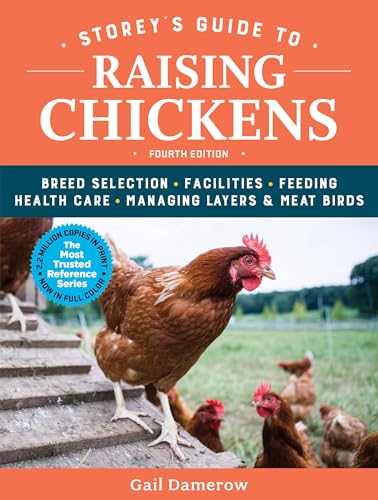 |
Workman Storey’s Guide to Raising Chickens, 4th Edition Complete chicken-keeping guidance |
Check Price |
 |
Chicken Breed Encyclopedia: Heritage, Backyard & Utility Breeds Comparing distinct chicken types |
Check Price |
 |
The Chicken Encyclopedia: An Illustrated Reference Illustrated breed research |
Check Price |
 |
Storey’s Illustrated Guide to Poultry Breeds Broad poultry coverage |
Check Price |
 |
Poultry Breeds: Pocket Guide To 104 Essential Breeds Portable breed identification |
Check Price |
Top 5 Breed Of Chicken: Detailed Reviews
1. Workman Storey’s Guide to Raising Chickens, 4th Edition
Storey’s Guide to Raising Chickens, 4th Edition is a broad reference for choosing a Breed Of Chicken and managing the flock after you bring it home. It combines breed selection with guidance on facilities, feeding, health care, layers, and meat birds, so you can connect an animal’s purpose with the work it requires. In use, that makes it more than a breed list: you can use it to think through housing, daily care, and production goals in one place. It suits backyard keepers who want an all-round foundation rather than a narrow identification guide.
What We Like:
- Connects breed choice with practical flock management.
- Covers both layers and meat birds, helping you match advice to your purpose.
- Facilities and feeding guidance supports planning before you start keeping chickens.
- Health-care coverage gives it a broader role than a simple breed catalogue.
- Provides one reference for several major parts of chicken keeping.
What Could Be Improved:
- Its wide scope may feel less focused if you only need quick breed identification.
- The broad management coverage means readers seeking breed information alone may need to sift through other topics.
- It is more reference-oriented than a compact guide designed for carrying around.
Buy this if you want one substantial reference covering breed selection and the practical demands of keeping chickens. It fits beginners planning a backyard flock and keepers comparing layers with meat birds. Skip it if you only need a portable breed-identification guide or a narrowly focused breed encyclopedia.
2. Chicken Breed Encyclopedia: Heritage, Backyard & Utility Breeds
If you are researching a Breed Of Chicken for a home flock, Chicken Breed Encyclopedia is a practical reference focused on heritage, backyard, utility, and distinctive breeds. Its narrow subject makes it useful for comparing different chicken types rather than offering general chicken-keeping instruction. The breed-focused format can help you organise early research and identify which categories deserve closer attention. It suits readers who want a dedicated guide to breed choices, but the available information does not specify illustrations, detailed care charts, or additional features beyond its practical breed coverage.
What We Like:
- It concentrates on heritage, backyard, utility, and distinctive breeds.
- The dedicated breed focus supports side-by-side research between different chicken types.
- It is aimed at practical decision-making for backyard keepers.
- Its subject is narrower than a general poultry reference, which can make breed research more focused.
What Could Be Improved:
- The available details do not confirm illustrations, care tables, or other research tools.
- It may be too limited for readers seeking complete chicken-keeping guidance beyond breed selection.
Buy it if you want a focused, practical starting point for exploring heritage, backyard, utility, and distinctive chicken breeds. It should suit prospective backyard keepers comparing breed types, but skip it if you need a complete husbandry manual, broad poultry coverage, or clearly documented illustrations and reference features.
3. The Chicken Encyclopedia: An Illustrated Reference
The Chicken Encyclopedia: An Illustrated Reference is a 319-page book from Workman Publishing for researching a Breed Of Chicken in more depth. Its illustrated reference format suits browsing across breeds, while the 7" x 9-1/4" size gives the pages room for useful visual comparison. The book is better suited to a home reference shelf than quick identification in the yard. If you want to explore breed differences and spend time comparing options, its substantial length should prove more useful than a compact pocket guide.
What We Like:
- The 319-page length supports deeper breed research.
- Illustrations make visual comparison more accessible.
- The larger 7" x 9-1/4" format is easier to browse than a tiny field guide.
- It works well as a dedicated chicken reference book.
- The format suits readers who enjoy exploring breeds at their own pace.
What Could Be Improved:
- Its larger format is less convenient for carrying around than a pocket guide.
- The depth may feel excessive if you only need fast breed identification.
- It is better for browsing at home than making quick decisions outdoors.
Buy it if you want an illustrated home reference for comparing chicken breeds and browsing beyond basic identification. Skip it if portability is your priority or you need a compact guide for quick checks in the yard. Its 319 pages favor sustained research over grab-and-go use.
4. Storey’s Illustrated Guide to Poultry Breeds
If your Breed Of Chicken research also includes other poultry, Storey’s Illustrated Guide to Poultry Breeds offers unusually broad coverage. This reference includes chickens, ducks, geese, turkeys, emus, guinea fowl, ostriches, partridges, peafowl, and pheasants, so you can compare many distinct groups in one book. Its illustrated format supports visual breed research, while the broad scope suits backyard keepers who want more than chicken basics. The listed copy is used and in good condition, which may make it a practical reference choice.
What We Like:
- It covers chickens alongside ducks, geese, and turkeys.
- It includes less-common groups such as emus, ostriches, and peafowl.
- Illustrations support visual breed research and comparison.
- The broad coverage reduces the need for several separate poultry references.
- It suits keepers whose interests extend beyond a single poultry type.
What Could Be Improved:
- Its wide scope may feel less focused if you only want chicken breeds.
- Readers seeking detailed chicken-only guidance may prefer a dedicated chicken reference.
- Because the listed copy is used, its condition may not match a new book’s presentation.
Buy it if you want one illustrated reference covering chickens and a wide range of poultry, including less-common groups. Skip it if you need a tightly focused chicken guide or practical chicken-keeping instruction rather than broad breed coverage.
5. Poultry Breeds: Pocket Guide To 104 Essential Breeds
If you are choosing a Breed Of Chicken, this pocket guide gives you a quick way to compare 104 poultry breeds without carrying a large reference book. Its 4-by-6-inch paperback format slips into a bag, while full-color photos support fast visual identification. Each profile covers breed history, physical characteristics, and common uses, helping you distinguish appearance from practical purpose. The coverage includes chickens, ducks, geese, and turkeys, so it is broader than a chicken-only guide. At 271 pages, it offers useful breadth, but not extensive treatment of individual breeds.
What We Like:
- The compact format makes it convenient for quick reference at home or on the go.
- Full-color photos help you identify breeds by appearance.
- Profiles include history, physical traits, and common uses.
- Coverage of 104 breeds gives you plenty of options to compare.
- The guide includes four poultry groups in one paperback volume.
What Could Be Improved:
- The pocket-size format limits how much detail each breed can receive.
- Because it covers ducks, geese, and turkeys as well as chickens, chicken keepers may find part of the book less relevant.
- It is better suited to identification and comparison than comprehensive chicken-keeping guidance.
Buy it if you want a portable Breed Of Chicken reference for comparing appearances, histories, and uses, or if you keep several types of poultry. Skip it if you need detailed care advice or in-depth profiles of a smaller number of chicken breeds.
How To Choose A Poultry Breed Guide
If you are researching a Breed Of Chicken for a backyard flock, start by deciding what you need the book to help you do. A useful purchase should match your stage of knowledge, the depth of research you want, and whether you need a reference for home use or something easy to carry.
Choose a Breed Of Chicken guide for your purpose
Some books focus on complete chicken keeping, while others concentrate on identifying and comparing breeds. Choose broad guidance if you want help understanding chicken care alongside breed information. Choose a dedicated breed reference if you already know the basics and mainly want to compare distinct chicken types.
Consider how much detail you need
Look at the scope promised by the title and description. A book covering heritage, backyard, and utility breeds may suit you if you want to compare different kinds of birds. A guide built around essential breeds may be a better fit if you prefer a shorter, more selective reference rather than broad coverage.
Decide whether illustrations matter
Illustrations can make breed research and identification easier to follow, particularly when you are comparing visually distinct types. An illustrated reference may be the better choice if appearance is central to your decision. If you care more about practical chicken-keeping guidance, prioritize a book described as complete rather than choosing on presentation alone.
Match the format to how you will use it
Think about where you expect to consult the book. A pocket guide makes sense if you want a portable reference for quick identification. A larger encyclopedia or comprehensive guide may work better when you plan to sit down for longer research at home.
Finally, check that the book’s coverage matches your questions before buying. Broad poultry coverage can be useful if you want context beyond chickens, while a chicken-specific title keeps the information more focused. The best choice is the one whose depth, scope, and format fit the decisions you actually need to make.
Which Chicken Breed Book Should You Choose?
Workman Storey’s Guide to Raising Chickens, 4th Edition is the best overall pick because it offers complete chicken-keeping guidance rather than focusing only on breed comparison. Chicken Breed Encyclopedia: Heritage, Backyard & Utility Breeds is the best alternative if your priority is comparing distinct chicken types. Choose The Chicken Encyclopedia: An Illustrated Reference for illustrated research, Storey’s Illustrated Guide to Poultry Breeds for broader poultry coverage, or Poultry Breeds: Pocket Guide To 104 Essential Breeds for portable identification.

Hi, I’m Larry Fish, the mind behind MyGrinderGuide.com.. With a passion for all things kitchen appliances, I created this blog to share my hands-on experience and expert knowledge. Whether it’s helping you choose the right tools for your culinary adventures or offering tips to make your kitchen more efficient, I’m here to guide you. My goal is to make your time in the kitchen not only easier but also enjoyable! Welcome to my world of kitchen mastery!