
Imagine the power goes out. Your freezer suddenly stops humming. All that expensive food starts to warm up! That sinking feeling is real, and it happens fast. Keeping your refrigerator running during a blackout is a top worry for many homeowners.
But finding the right indoor generator for just that task presents its own set of headaches. You need something safe to use inside, powerful enough for your fridge, and quiet too. Sifting through confusing specs and worrying about fumes makes the search tough. You want reliable backup without the hassle.
This guide cuts through the noise. We will show you exactly what features matter most when powering your fridge indoors. Learn the simple steps to choose a safe, efficient generator that keeps your groceries cold, no matter what the weather brings.
Top Indoor Generator For Refrigerator Recommendations

- 【Reliable UPS Backup for Power Outages】Built-in 10ms UPS automatically switches to battery power during outages, keeping WiFi routers, CPAP machines, and essential devices running without interruption.
- 【640Wh Capacity with 600W Output】Provides reliable power for daily essentials and outdoor gear, 1200W surge power with industry-leading PowerRaise technology to handle appliance startup loads.
- 【Full Charged in 1.5H】Ultra-fast AC charging takes the battery full charged in 1.5H, so you’re always ready for emergencies and trips.
- 【8 Output Ports for Multiple Devices】Includes 4 AC outlets plus USB ports to power up to 8 devices at once—ideal for home backup, camping, travel, and emergency use.
- 【Safer LiFePO4 Battery, Built to Last】Features an automotive-grade LiFePO₄ battery rated for 4000+ cycles, combined with a durable metal enclosure for improved heat dissipation and indoor safety.
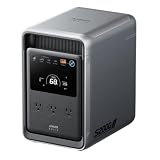
- 𝐔𝐩 𝐭𝐨 𝟑𝟓-𝐇𝐨𝐮𝐫 𝐅𝐫𝐢𝐝𝐠𝐞 𝐁𝐚𝐜𝐤𝐮𝐩: With 6W idle power draw and 10% higher efficiency, this power station runs 20% longer than other 2kWh systems, keeping your fridge powered for 35 hours.
- 𝟏𝟎,𝟎𝟎𝟎-𝐂𝐲𝐜𝐥𝐞 𝐋𝐅𝐏 𝐁𝐚𝐭𝐭𝐞𝐫𝐲: Powered by 314Ah LFP cells, S2000 has a 15-year lifespan, equivalent to 10,000 charge cycles.
- 𝐒𝐦𝐚𝐥𝐥𝐞𝐬𝐭 𝐚𝐧𝐝 𝐋𝐢𝐠𝐡𝐭𝐞𝐬𝐭 𝟐𝐤𝐖𝐡 𝐏𝐨𝐰𝐞𝐫 𝐒𝐭𝐚𝐭𝐢𝐨𝐧: 30% smaller and 25% lighter than the industry average, this power station measures just 8.2 × 11.1 × 12.7 in and weighs only 35.7 lbs.
- 𝐏𝐨𝐰𝐞𝐫𝐬 𝟗𝟗% 𝐨𝐟 𝐇𝐨𝐦𝐞 𝐄𝐬𝐬𝐞𝐧𝐭𝐢𝐚𝐥𝐬: 1,500W continuous output and 3,000W peak output keep nearly every essential appliance running. Actual runtime will vary depending on your refrigerator model, usage habits, and ambient temperature.
- 𝟔 𝐖𝐚𝐲𝐬 𝐭𝐨 𝐑𝐞𝐜𝐡𝐚𝐫𝐠𝐞: Supports up to 400W solar input. Power up via AC + solar, a wall outlet, a generator, solar panels, an alternator charger, or a car outlet—anytime, anywhere.

- [High Efficiency & Longer Runtime] - With an ultra-low 4W standby power consumption, this refrigerator battery backup delivers 26% longer runtime( about 4.5 hours longer) than other competitors from the same capacity, It supports expansion up to 8064Wh with BlueCell 200 expansion batteries, keeping your refrigerator running for up to 4 days, No more spoiled food during outages.
- [DualGuard UPS – Smarter Backup] – Your fridge never stops, no surprises, with 10ms switch to battery during blackouts, keeping your fridge running during outages without interruption, even if FridgePower fails, it auto-returns to grid power, with four intelligent UPS modes: Standard, PV Priority, Time of Use, and Customized, BLUETTI FridgePower adapts to your household's needs.
- [Ultra-Slim 75mm Space-Saving Design] – Unlike bulky traditional power stations, this FridgePower is purpose-built for refrigerator backup. Only 75mm ultra-slim design, making it fit 99.65% of kitchen gaps: behind fridge, on wall, or side cabinet, No floor space lost. It supports both freestanding and wall mounting, DIY mount in 5 mins.
- [Storm Alert & Voice Control] – The app pushes severe weather warnings and automatically starts fast charging. Works with Alexa & Google Home – check battery by voice. Always ready.
- [From Fridge to Workshop] – 1800W output runs sump pump, fish tank, chest freezer, or kitchen appliances. One system, whole-home key load protection.

- 𝗣𝗼𝘄𝗲𝗿𝗳𝘂𝗹 𝗢𝘂𝘁𝗽𝘂𝘁: 2800 peak watts and 2000 running watts, gas powered by 79.8CC 4-stroke OHV engine, 1.1 gallon fuel tank with fuel indicator, runs for up to 9 hours at 25% load, with parallel function and ECO mode, perfect for camping and home backup emergency use.
- 𝗠𝘂𝗹𝘁𝗶-𝗢𝘂𝘁𝗽𝘂𝘁 𝗢𝗽𝘁𝗶𝗼𝗻𝘀: Power all your devices with versatile ports, includes 2*120V AC ports, 1*12V DC port, 1*USB port and 1*Type-C port, features Eco-mode.
- 𝗖𝗹𝗲𝗮𝗻 𝗣𝗼𝘄𝗲𝗿: Less than 3% THD, provides reliable power during an outage or camping, confidently connect your sensitive electronics. Perfect for phone, laptop, drone and camera. Even supports charging power station.
- 𝗤𝘂𝗶𝗲𝘁 𝗢𝗽𝗲𝗿𝗮𝘁𝗶𝗼𝗻: Under 58 dBA from 23FT away, this generator provides quiet, steady power for your home during a power outage or RV nights.
- 𝗖𝗼𝗺𝗽𝗮𝗰𝘁 𝗮𝗻𝗱 𝗣𝗼𝗿𝘁𝗮𝗯𝗹𝗲: Lightweight at only 40lbs, compact design and built-in handle make it easy to carry for adults.

- Power for Every Scenario: EcoFlow DELTA 3 Classic delivers 1800W output (3600W surge) with X-Boost technology—enough for refrigerators, microwaves, laptops, and more. Expandable up to 2600W with X-Boost for even heavier loads.
- Ultra-Fast Charging: Go from 0–80% in just 45 minutes with X-Stream AC charging. Keep your devices and appliances powered faster, smarter, and with greater peace of mind—whether at home, outdoors, or on the go.
- <10ms UPS: Protect sensitive electronics like PCs, servers, and medical devices. DELTA 3 Classic automatically switches to battery in under 10ms, preventing downtime, data loss, or interruptions.
- Built to Last: With LiFePO4 battery cells rated for 10+ years of daily use, EV-grade CTC design, and a smart Battery Management System, DELTA 3 Classic ensures safe, reliable power in any condition.
- Fast Solar Recharging: Recharge in just 2.5 hours with a 500W solar panel (optional). Clean, renewable energy lets you stay powered wherever the sun shines—perfect for off-grid living or outdoor adventures.
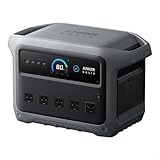
- 49 Min UltraFast Recharging: With upgraded HyperFlash tech, fully recharge at 1,600W—for outage prepping, camping trips, or tailgating events. Enable it in the Anker app.
- 2,000W Output via 10 Ports: Delivers 2,000W (3,000W peak) and 1,024Wh capacity. Power up to 10 devices—ideal for emergency backup, remote work setups, tiny homes, and off‑grid living.
- Compact and Portable: Easily carry, store, and move from room to room, your RV, or even on beach and park outings. C1000 Gen 2 is 14% smaller and 11% lighter than similar models.
- 10 Years of InfiniPower: Built to last through years of daily backup and RV and van life. After 4,000 cycles, the battery still has at least 80% capacity.
- 1.8 Hr Solar Recharging: Go fully off‑grid with sustainable power for tiny homes, camping RV off‑grid setups, and remote locations. Plug in 600W (60V max) of solar and recharge in just 1.8 hours.

- Essential Home Backup: The Jackery HomePower 3600 Plus delivers 3600W output (7200W in parallel) to run pumps, heaters, and dryers with ease. With dual voltage (120V & 240V in parallel) and 3584Wh capacity expandable to 21kWh per unit or 43kWh with multiple units, it can power a 3-person household for over 2 weeks.
- Safe Power That Lasts: Built with high-temp resistant ceramic membrane battery cells tested at 302 °F, the Jackery HomePower 3600 Plus Portable Power Station prevents thermal runaway from heat or overcharge. Offering 6,000 cycles and a 10-year lifespan, it delivers safe, reliable even in -4 °F blizzards.
- Plug-and-Play: With its easy plug-and-play design, the Jackery HomePower 3600 Plus, paired with MTS, powers your home effortlessly—no complex installation required. Whether at work, in the kitchen, or with family, simply plug in, press "Power-On" and keep life running smoothly through any outage.
- 4 Charging Options: With 4 convenient ways to charge, the Jackery HomePower 3600 Plus solar generator can be fully recharged from 0–100% in just 2 hours via hybrid AC+DC. It also supports charging via AC in 2.5 hours, solar in 4 hours, or a gas generator in 2.5 hours —delivering a full day of quiet, clean energy.
- Ultra-Portable & Lightweight: The Jackery HomePower 3600 Plus, the lightest 3.6kWh LFP power station, boasts automotive-grade CTB tech and is 34% smaller and 29.3% lighter than other models. Its luggage-style design with wheels and a telescopic handle allows effortless rolling from kitchen to garage or beyond.


- 𝗥𝗲𝗹𝗶𝗮𝗯𝗹𝗲 𝗣𝗼𝗿𝘁𝗮𝗯𝗹𝗲 𝗚𝗲𝗻𝗲𝗿𝗮𝘁𝗼𝗿 𝗳𝗼𝗿 𝗘𝘀𝘀𝗲𝗻𝘁𝗶𝗮𝗹 𝗕𝗮𝗰𝗸𝘂𝗽 𝗡𝗲𝗲𝗱𝘀: Provides 4000 rated watts and 5000 peak watts to support essential household appliances during temporary outages. Designed for home backup, RV trips, and general outdoor power needs.
- 𝗖𝗹𝗲𝗮𝗻 𝗣𝗼𝘄𝗲𝗿: This inverter generator provide clean power for sensitive electronics, THD<5%.
- 𝟲 𝗛𝗼𝘂𝗿𝘀 𝗥𝘂𝗻𝘁𝗶𝗺𝗲 𝗮𝘁 𝟱𝟬% 𝗟𝗼𝗮𝗱: Runs up to 6 hours at 50% load on a 2-gallon fuel tank. ECO mode automatically adjusts engine speed based on demand to help improve fuel efficiency. Built-in fuel gauge allows easy monitoring of fuel levels during operation.
- 𝗥𝗩-𝗥𝗲𝗮𝗱𝘆 𝘄𝗶𝘁𝗵 𝟯𝟬𝗔 𝗢𝘂𝘁𝗹𝗲𝘁: Includes a 30A outlet for convenient RV connection and stable inverter output suitable for common electronics and appliances.
- 𝟳𝟬𝗱𝗕 𝗢𝗽𝗲𝗿𝗮𝘁𝗶𝗼𝗻 𝗮𝘁 𝟮𝟯𝗙𝗧: Operates at 70dB from 23 feet, making it appropriate for residential areas and outdoor environments where moderate noise levels are required.
Your Guide to Choosing the Best Indoor Generator for Your Refrigerator
When the power goes out, the last thing you want is your food spoiling. An indoor generator can keep your refrigerator running smoothly. But how do you pick the right one? This guide helps you choose the best portable power source for your kitchen needs.
Key Features to Look For
When shopping, you must check a few important things. These features decide if the generator works well for your fridge.
- Wattage Output: Your refrigerator needs a certain amount of power to start and run. Look for the “starting watts” (the big surge needed to turn on) and the “running watts” (what it needs to stay on). Most standard refrigerators need about 600-800 running watts and 1,500-2,000 starting watts.
- Inverter Technology: This is very important! Inverter generators make “clean power.” This clean power is steady and safe for sensitive electronics like the digital controls in modern refrigerators. Regular generators can sometimes damage these parts.
- Noise Level (dB): Since this unit will likely run inside or very close to your home, low noise is crucial. Look for generators under 60 decibels (dB). This is about the sound of a normal conversation.
- Fuel Type and Run Time: Do you want gas, propane, or battery power? Battery-powered (portable power stations) are the quietest and safest for indoors. Gas generators offer longer run times but must be vented outside. Check how long the unit runs on a full tank or charge.
- Portability and Size: Even if it stays mostly in one spot, you need to move it occasionally. Make sure it is light enough for you to handle.
Important Materials and Build Quality
The materials used affect how long your generator lasts and how safe it is.
Durable Casing
A strong casing protects the engine or battery inside. Plastic casings are lighter, but metal or high-grade composite materials offer better protection against bumps and weather if you move it outside temporarily.
Battery Technology (For Power Stations)
If you choose a battery unit, check the battery type. Lithium-ion (Li-ion) batteries are the best choice. They are lighter, last longer over many charges, and are generally safer for indoor use than older battery types.
Factors That Improve or Reduce Quality
Good quality means safety and reliability. Poor quality means headaches and potential damage to your appliances.
What Boosts Quality:
- Automatic Voltage Regulation (AVR): This technology keeps the electricity output very steady, protecting your fridge.
- Overload Protection: This feature shuts the unit down if the fridge tries to pull too much power, preventing overheating or failure.
- Certifications: Look for safety certifications from recognized testing labs.
What Lowers Quality (and Safety):
The biggest quality reducer for indoor use is **carbon monoxide production**. Only use generators specifically labeled as safe for indoor use, which usually means they are battery-powered (power stations) or use propane/natural gas with specialized, certified indoor conversion kits. Never run a gasoline generator indoors—the fumes are deadly.
User Experience and Use Cases
How you plan to use the generator shapes your best choice.
The Weekend Camper vs. The Emergency Prepper
If you only need to run the fridge for a few hours during a short storm, a mid-sized battery power station works perfectly. It is quiet, requires no fuel handling, and you can easily recharge it using a standard wall outlet when the power returns.
If you face long outages (days), a dual-fuel or tri-fuel generator might be considered, but remember: **these must be operated outdoors with long extension cords running safely into the house.** For true indoor use, stick to battery power stations that plug directly into your designated appliance outlets.
The best user experience involves simple setup. Look for models with clear digital readouts showing battery life or fuel level and simple plug-and-play operation for your refrigerator cord.
10 FAQs About Indoor Generators for Refrigerators
Q: Can I run a regular gas generator indoors?
A: Absolutely not! Gas generators produce deadly carbon monoxide fumes. Only use units specifically designed and certified for indoor use, like battery power stations.
Q: What is the most important number to check on the generator?
A: Check the “Starting Watts” or “Surge Watts.” This number must be higher than what your refrigerator needs to kick its compressor on.
Q: How long will a battery generator power my fridge?
A: This depends on the battery size (measured in Watt-hours or Wh) and how often your fridge cycles on. A large unit might run a standard fridge for 12 to 30 hours.
Q: Are inverter generators the best type for a fridge?
A: Yes. They produce clean, stable electricity that is safe for the sensitive electronics in modern refrigerators.
Q: Do I need special cords to connect my fridge?
A: Usually, no. Most indoor power stations have standard household outlets (like the ones on your wall) where you plug in your refrigerator’s regular power cord.
Q: What if my generator is too noisy?
A: If noise bothers you, choose a battery-powered unit. They operate almost silently, unlike generators that have running engines.
Q: How do I find out my refrigerator’s wattage needs?
A: Check the sticker, usually located inside the fridge compartment or on the back panel near the compressor. It lists the running amps and voltage.
Q: Can I plug the generator directly into my home’s breaker box?
A: No. Direct wiring requires a professional electrician and a transfer switch. For simple fridge backup, just plug the fridge directly into the generator’s outlet.
Q: What is the difference between a power station and a generator?
A: A generator usually burns fuel (gas/propane) to create power. A power station uses stored battery power and is recharged by solar panels or wall outlets.
Q: Should I keep the generator charged all the time?
A: Yes, especially battery power stations. Keep them near 80% charge so they are ready instantly when the power fails.

Hi, I’m Larry Fish, the mind behind MyGrinderGuide.com.. With a passion for all things kitchen appliances, I created this blog to share my hands-on experience and expert knowledge. Whether it’s helping you choose the right tools for your culinary adventures or offering tips to make your kitchen more efficient, I’m here to guide you. My goal is to make your time in the kitchen not only easier but also enjoyable! Welcome to my world of kitchen mastery!