
Imagine waking up to the gentle rustle of leaves and the sweet scent of pine. The sun peeks through the trees, warming your face as you sip your morning coffee outside your tent. This is the magic of tent camping, and Ohio offers some truly special places to experience it.
But choosing the perfect spot can feel like a challenge. Do you want a quiet escape in the woods, or a campsite near a lake for swimming and fishing? Maybe you’re looking for trails to hike or places to watch the stars. With so many state parks and campgrounds, it’s easy to feel overwhelmed and wonder where to start planning your next adventure.
This post will help you discover some of Ohio’s best-kept secrets for tent camping. We’ll explore different types of campsites, highlight unique activities you can enjoy, and give you tips to make your trip unforgettable. Get ready to find your next favorite outdoor getaway right here in the Buckeye State!
Top Tent Camping In Ohio Recommendations
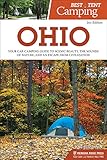


- Tent Cmping-mo And Ozarks,2nd Ed


Your Adventure Awaits: Tent Camping in Ohio
Ready for a fun outdoor escape? Tent camping in Ohio offers amazing adventures, from exploring lush forests to relaxing by sparkling lakes. This guide helps you pick the perfect gear for your Ohio camping trip.
1. Key Features to Look For
When choosing camping gear, think about what makes your trip easier and more enjoyable.
- Size and Capacity: How many people will sleep in the tent? Tents come in sizes for 1 person up to 8 or more. Always pick a tent that fits everyone comfortably, plus a little extra room for bags.
- Weather Resistance: Ohio weather can change. Look for tents with waterproof rainflies and strong seams. This keeps you dry if it rains. Wind resistance is also important, especially if you camp in open areas.
- Ease of Setup: Some tents are super quick to set up. Others can be tricky. If you’re new to camping, choose a tent with simple poles and clear instructions. You want to spend more time exploring and less time wrestling with fabric.
- Ventilation: Good airflow keeps your tent from getting stuffy and humid. Look for tents with mesh windows and vents. This also helps prevent condensation inside.
- Storage: Extra pockets or gear lofts inside the tent are handy. They help you keep your phone, flashlight, and other small items organized and within reach.
2. Important Materials
The materials used in your tent make a big difference in how well it performs.
- Tent Body: Most tent bodies are made from nylon or polyester. These fabrics are strong and lightweight. They also dry quickly.
- Rainfly: This is the outer waterproof layer. It’s usually made of coated polyester or nylon. A good coating adds extra protection against rain.
- Poles: Tent poles are often made of fiberglass or aluminum. Aluminum poles are stronger and lighter, but they cost more. Fiberglass poles are common and work well for most camping.
- Floor: The tent floor needs to be tough and waterproof. Look for thicker materials like polyethylene or coated nylon. This stops water from seeping up from the ground.
3. Factors That Improve or Reduce Quality
Some things make a tent great, while others can make it less ideal.
- Good Quality: Strong zippers that don’t snag are a sign of good quality. Well-sealed seams also prevent leaks. Extra features like vestibules (covered areas outside the tent door) offer more storage and protection.
- Lower Quality: Cheap zippers can break easily. Thin fabrics might tear. Poorly designed tents might not stand up well in wind or rain. A tent that is difficult to set up can cause frustration.
4. User Experience and Use Cases**
How you plan to use your tent affects your choice.
* **Backpacking:** If you hike to your campsite, you need a lightweight and compact tent. Easy setup is also a big plus after a long hike.
* **Car Camping:** If you drive to your campsite, you can bring a larger, more comfortable tent. Weight is less of a concern. You might want more space for family and gear.
* **Family Trips:** For family adventures, choose a tent with plenty of room for everyone to sleep and play. Features like multiple doors can make getting in and out easier.
* **Solo Trips:** A smaller, simpler tent is perfect for a single camper. It’s lighter and easier to handle.
—
Frequently Asked Questions: Tent Camping in Ohio
Q: What are the best times of year for tent camping in Ohio?
A: Spring and fall offer pleasant weather with fewer bugs. Summer is warm and great for swimming, but can be hot and humid. Winter camping is for experienced campers only.
Q: Do I need a special tent for Ohio’s weather?
A: A tent with good waterproofing and wind resistance is recommended for Ohio. A rainfly is essential.
Q: How do I set up a tent?
A: Most tents come with poles and stakes. You usually spread out the tent body, insert the poles, and then attach the rainfly. Stakes secure the tent to the ground.
Q: How do I keep my tent dry?
A: Make sure your rainfly is properly attached. Avoid touching the tent walls when it’s raining, as this can cause water to seep through. Ventilate your tent to reduce condensation.
Q: What should I pack for tent camping?
A: Pack essentials like a tent, sleeping bag, sleeping pad, food, water, flashlight, first-aid kit, and appropriate clothing.
Q: Are there good tent camping spots in Ohio?
A: Yes! State parks like Hocking Hills, Cuyahoga Valley National Park, and Mohican State Park offer beautiful camping experiences.
Q: Can I bring my dog camping in Ohio?
A: Many campgrounds in Ohio allow pets, but always check the specific park’s rules before you go.
Q: How do I choose the right size tent?
A: Consider how many people will sleep in it. It’s usually best to get a tent rated for one or two more people than you have, for extra comfort and gear space.
Q: What is a rainfly?
A: A rainfly is the waterproof outer cover that goes over your tent. It protects you from rain and wind.
Q: How can I make my tent camping experience more comfortable?
A: Bring a comfortable sleeping pad, a camp chair, and some bug spray. A headlamp is very useful for hands-free light.

Hi, I’m Larry Fish, the mind behind MyGrinderGuide.com.. With a passion for all things kitchen appliances, I created this blog to share my hands-on experience and expert knowledge. Whether it’s helping you choose the right tools for your culinary adventures or offering tips to make your kitchen more efficient, I’m here to guide you. My goal is to make your time in the kitchen not only easier but also enjoyable! Welcome to my world of kitchen mastery!