
As an Amazon Associate I earn from qualifying purchases.
Choosing worms for a compost bin can feel surprisingly complicated. You need a suitable composting species, enough worms for your setup and a pack size that fits your food-scrap routine.
Red wigglers are the main focus here because they are designed for composting and can help produce nutrient-rich castings. European nightcrawlers offer a larger-worm alternative, while smaller packs suit beginners or modest bins.
These picks were selected from the listed product details, with attention to worm type, purity, colony size, soil uses and ease of starting. No prices or ratings are used because they were not provided.
The guide compares five live-worm options for different composting needs, from a small starter colony to a larger setup for ongoing garden use.
Our Top 5 Worms For Compost Picks at a Glance
| Product | ||
|---|---|---|
 |
Uncle Jim’s 1,000 Red Wiggler Composting Worms General home composting |
Check Price |
 |
Uncle Jim’s 250 Super Red European Nightcrawlers Soil aeration and larger worms |
Check Price |
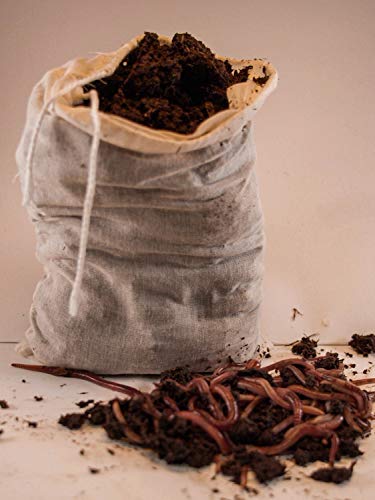 |
FoothillSierraGarden 50 Pure Red Wigglers Small starter colonies |
Check Price |
 |
WWJD Worms 1/8lb Red Wigglers Easy-to-manage composting |
Check Price |
 |
Uncle Jim’s 2,000 Red Wiggler Composting Worms Large composting setups |
Check Price |
Top 5 Worms For Compost: Detailed Reviews
1. Uncle Jim’s 1,000 Red Wiggler Composting Worms
Worms For Compost such as Uncle Jim’s 1,000 Count Red Wiggler Composting Worms give you a substantial colony for compost bins, garden soil and fishing use. The worms come from established beds and may include different earthworm species, so you get a mixed population rather than a guaranteed pure strain. They consume food scraps and waste, while their castings add concentrated nutrients to soil. This pack suits gardeners who want enough worms to establish a productive setup without starting with a very small colony.
What We Like:
- A 1,000-worm quantity suits larger home composting setups.
- Red wigglers consume food scraps and other waste in a compost bin.
- Their castings can improve soil structure and add plant-supporting nutrients.
- The mixed species may work across different soil layers.
- The worms can also serve fishing purposes.
What Could Be Improved:
- The shipment may contain different earthworm species, so it is not ideal if you need a pure red wiggler colony.
- The product does not specify how many worms in the pack are red wigglers versus other species.
- A 1,000-worm colony may be more than you need for a very small bin.
Buy this if you want a substantial worm colony for home composting, garden soil improvement and occasional fishing use. It is a less suitable choice if you need a precisely identified, pure red wiggler strain or only have a very small composting setup.
2. Uncle Jim’s 250 Super Red European Nightcrawlers
Uncle Jim’s 250 Super Red European Nightcrawlers give Worms For Compost users a larger alternative to standard red wigglers. These European nightcrawlers are described as two to five times larger than normal red worms, making them useful for composting and garden-soil aeration. Their castings contain phosphates, nitrogen, and potash, while their tunnels can help water and air move through soil. The worms come from established beds that are decades old, though the listing notes they may include different earthworm species. They also help recycle food scraps and reduce landfill waste.
What We Like:
- Their larger size offers an alternative to standard red wigglers.
- Burrowing tunnels can help water and air move through garden soil.
- Their castings contain phosphates, nitrogen, and potash.
- They can turn food scraps and waste into useful castings.
- The worms come from established beds with decades of history.
What Could Be Improved:
- They are the smallest of the three popular nightcrawler types, so they are not as large as Canadian or African nightcrawlers.
- The listing says the beds may contain different earthworm species, which may matter if you want a pure type.
- A 250-count order may not suit gardeners seeking only a very small starter colony.
Buy these if you want larger composting worms that can also support soil aeration, especially for a garden or more substantial setup. Skip them if you specifically want the largest available nightcrawler species, a guaranteed single-species colony, or only a very small starter group.
3. FoothillSierraGarden 50 Pure Red Wigglers
For small home projects, these Worms For Compost offer a compact starter colony of 50 pure Eisenia fetida, also known as red wigglers. Because they are not a mixed species, you know exactly what you are adding to a home compost bin or garden waste setup. The pack suits beginners, classroom science projects, and modest composters rather than high-volume systems. The listing says the colony can double in three months and live in any composter. It also includes a live-arrival guarantee with replacement support if you email about problems.
What We Like:
- Pure Eisenia fetida gives you a clearly identified composting species.
- The 50-count pack suits small bins, starter colonies, and science projects.
- Red wigglers can work with garden and home waste.
- The compact quantity makes a small project easier to manage.
- The live-arrival guarantee includes replacement support after contacting the seller.
What Could Be Improved:
- Fifty worms form a modest starting colony, so this pack may not suit large composting setups.
- You may need to add more worms as your household waste volume grows.
- Replacement support requires you to email the seller if the worms arrive with issues.
Buy this pack if you want a small, clearly identified Eisenia fetida colony for a home bin, garden project, or classroom experiment. Skip it if you need to process substantial amounts of waste immediately or want a larger established colony from the start.
4. WWJD Worms 1/8lb Red Wigglers
WWJD Worms’ 1/8-pound Red Wigglers are adaptable Worms For Compost, suited to home bins and garden projects. They help process food scraps and other suitable organic waste into nutrient-rich compost and worm castings. Their flexibility makes them useful for raised beds and other gardening applications, while their natural movement through organic material can support soil structure. These worms are also presented as easy to manage, so they fit gardeners who want a straightforward composting setup rather than a demanding system.
What We Like:
- They adapt well to home composting environments.
- They help turn suitable food scraps into useful compost.
- Their castings provide a nutrient-rich amendment for garden use.
- They can support natural soil-structure improvement.
- They are designed for relatively low-maintenance care.
What Could Be Improved:
- The 1/8-pound quantity is better suited to manageable home setups than large composting operations.
- The product information does not specify the number of worms included or the recommended bin size.
- You still need a suitable composting bin or worm-farming setup to use them effectively.
Buy these if you want an adaptable red wiggler colony for a home bin, raised beds, or small garden composting project. They suit beginners and gardeners seeking nutrient-rich castings without complicated maintenance. Skip them if you need a large starting population or want detailed guidance on colony size and bin requirements.
5. Uncle Jim’s 2,000 Red Wiggler Composting Worms
Uncle Jim’s Worm Farm 2000 Count Red Wiggler Composting Worms gives you the largest red wiggler colony in this lineup, making it a practical choice for gardeners with higher composting demand. These worms eat food scraps and other waste in a compost bin, then produce castings that the brand says contain more phosphates, nitrogen, and potash than average lawn soil. The worms come from established beds and may include different earthworm species, which could add variety to your composting system.
What We Like:
- The 2,000-worm count suits larger composting setups.
- Red wigglers consume food scraps and help recycle nutrients.
- Their castings can improve garden soil with concentrated nutrients.
- The colony may include different earthworm species from established worm beds.
- Using worms can help keep food waste out of landfills.
What Could Be Improved:
- The worms may not be a single pure species, which may matter if you want a specifically identified colony.
- A 2,000-worm colony may be more than a small household compost bin needs.
- The supplied facts do not specify the shipment’s exact species mix or quantity at delivery.
Buy this if you have a larger composting setup, generate plenty of food scraps, or want more capacity from the start. Skip it if you maintain a small bin or prefer a compact starter colony. Gardeners seeking a clearly defined single-species population may also want another option.
How to Choose Worms For Compost
How to choose Worms For Compost
Start with the job you want the worms to do. A general home composting setup calls for a practical colony size, while soil aeration or a preference for larger worms may point you toward a different type. Decide whether you need a small starting group, an easy-to-manage amount, or enough worms for a larger setup.
Match the colony size to your setup
Quantity is one of the clearest buying factors. A small colony can make sense if you are starting cautiously or working with limited space, while a larger colony is better suited to a bigger composting system. Buying more worms than your setup can comfortably manage may add unnecessary cost and make the system harder to handle.
Consider the worm type
Red wigglers are the main option across these picks and suit different composting needs depending on the quantity offered. European nightcrawlers are the alternative for shoppers who specifically want larger worms or are focused on soil aeration. Keep your intended use in mind rather than choosing by name alone.
Think about ongoing management
Choose an amount you can look after consistently. If you want a straightforward introduction to worm composting, an easy-to-manage quantity or small starter colony may be the sensible route. Larger composting setups need a larger starting population, but they also require enough space and a clear plan for managing the system.
Before ordering, compare the stated quantity with your available setup and your main goal. The best choice is not automatically the largest package; it is the one that fits your space, experience, and intended use without creating more work than you want.
Which Worms For Compost Should You Choose?
Uncle Jim’s 1,000 Red Wiggler Composting Worms is the best overall pick because it is aimed at general home composting and offers a practical middle ground between a small starter colony and a large setup. Uncle Jim’s 250 Super Red European Nightcrawlers is the best alternative if your priority is soil aeration or larger worms. Choose between them based on purpose first, then match the quantity to your available space and management plans.

Hi, I’m Larry Fish, the mind behind MyGrinderGuide.com.. With a passion for all things kitchen appliances, I created this blog to share my hands-on experience and expert knowledge. Whether it’s helping you choose the right tools for your culinary adventures or offering tips to make your kitchen more efficient, I’m here to guide you. My goal is to make your time in the kitchen not only easier but also enjoyable! Welcome to my world of kitchen mastery!