
Imagine a garden bursting with vibrant, jewel-toned rhododendrons, their enormous blooms a testament to your green thumb. But what if your rhododendrons are looking a little… sad? Yellowing leaves, stunted growth, and fewer flowers can be disheartening. You know they need food, but the world of fertilizers can feel like a confusing maze. Which one is best for these special shrubs? It’s a common frustration for gardeners.
Choosing the right fertilizer is crucial for happy, healthy rhododendrons. They have unique needs, and the wrong food can do more harm than good, leading to weak plants and disappointing blooms. Many gardeners worry about burning their plants or not giving them the specific nutrients they crave. But don’t despair! Understanding what your rhododendrons truly need is simpler than you think.
By the end of this post, you’ll know exactly what to look for in a rhododendron fertilizer. We’ll break down the important ingredients, explain what they do, and guide you toward making a smart choice. Get ready to unlock the secrets to lusher leaves, more blossoms, and a rhododendron display that will truly wow your neighbors!
Top Fertilizer For Rhododendrons Recommendations

- Miracle-Gro Water Soluble Azalea, Camellia, Rhododendron Plant Food helps acid-loving plants and flowers thrive
- Plant food instantly feeds acid-loving plants, including azaleas, camellias, rhododendrons, gardenias, hibiscus, hollies, hydrangeas, and orchids
- Perfect to use on the indoor plants that decorate your bookshelf or side table, as well as the outdoor plants that live in your garden or planters
- Apply plant food every 7-14 days with a watering can or Miracle-Gro Garden Feeder
- Fertilizer won't harm other plants or burn foliage, when used as directed


- TARGETED PLANT NUTRITION: Specially formulated for azaleas, camellias, rhododendrons, and other acid-loving plants to promote vibrant blooms and rich foliage.
- BALANCED 12-4-8 FORMULA: Delivers the ideal ratio of nitrogen, phosphorus, and potassium to support strong root development and healthy, sustained plant growth.
- 50% SLOW-RELEASE NITROGEN: Provides steady, consistent feeding for up to 3 months, reducing the risk of burn while keeping your plants nourished all season long.
- ESSENTIAL MICRONUTRIENTS INCLUDED: Enriched with key trace elements that ensure optimal plant performance and support overall health beyond just the primary nutrients.
- LOW CHLORINE FORMULA: Gentle, low-salt composition is ideal for sensitive acid-loving plants and helps maintain proper soil conditions, available in a convenient 5 lb bag.

- VIBRANT BLOOMS & ROBUST GROWTH: Enriched with essential nutrients like magnesium, iron, and manganese, ASTEVORA 8-4-8 helps prevent chlorosis in acid-loving plants. Suitable for azaleas, camellias (camelia), rhododendrons, hydrangeas, and all acid-loving plants including magnolia trees, evergreens, and blueberries
- SOIL ACIDIFICATION FOR OPTIMAL GROWTH: This fertilizer acts as an effective soil acidifier. Suitable for azaleas, hydrangeas, and gardenias, often struggling in neutral or alkaline soils
- ENHANCES SOIL HEALTH WITH BENEFICIAL MICROBES: Bio-solid fertilizer derived from advanced wastewater treatment technology. Rich in live bacterial microbes, this meticulously refined bio-solid emerges through a rigorous process of heating, drying, and prilling, stripping away toxins and heavy metals. Naturally enriches your soil and supports microbial life for plant growth and vitality
- SIMPLE & STRAIGHTFORWARD APPLICATION: ASTEVORA 8-4-8 Fertilizer makes plant care easy for everyone. Just sprinkle the granules around the base of your plants, gently mix into the soil, and water. This no-fuss, clear method ensures that whether you are a first-time gardener or a seasoned green thumb, nourishing your plants is effortless and effective
- ECONOMICAL LONG-LASTING FORMULA: ASTEVORA 8-4-8 is cost-effective and incredibly efficient, requiring just three feedings per year. Its slow-release granules ensure sustained nutrition and long-lasting benefits for maintaining plant health and vibrancy throughout the year
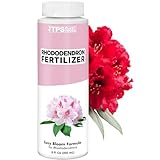
- Made for Rhododendron Plants – Specially formulated rhododendron fertilizer designed to support flowering shrubs.
- Supports Vibrant Blooms – Rhododendron plant food helps promote fuller flowers and consistent blooming.
- Encourages Healthy Growth & Roots – Rhododendron feed supports strong root systems and lush foliage.
- Ideal for Garden Shrubs & Landscapes – Suitable for outdoor planting, garden beds, and landscape use.
- Made in USA
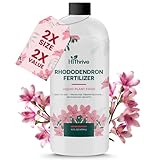
- 2X MORE VALUE: HiThrive Rhododendron Food 16 oz bottle makes 16 gallons of liquid flower fertilizer outdoor, while the bigger size 32 oz makes 32 gallons, ensuring lush, vibrant flowering plants.
- FUELS BLOOMS & FOLIAGE: With nitrogen for lush leaves, phosphorus for strong roots & potassium for vibrant flowers, this flowering liquid plant food promotes steady blooming and thriving rhododendrons.
- POWERFUL FORMULA: Crafted with essential macro & micronutrients like calcium, magnesium, and zinc, this fertilizer for flowers strengthens roots, enriches foliage & enhances flower size and color.
- FIXES NUTRIENT DEFICIENCIES: Combat weak growth, pale leaves & fading blooms of rhododendron plants live with our outdoor flower fertilizer enriched with vital nutrients for flourishing rhododendrons.
- FOR ALL RHODODENDRONS: Ideal for April Rose, English Roseum, Ramapo & more, HiThrive fertilizer for flowering plants ensures consistent, stunning blooms for every rhododendron species.

- Made for Rhododendron Plants – Specially formulated rhododendron fertilizer designed to support flowering shrubs.
- Supports Vibrant Blooms – Rhododendron plant food helps promote fuller flowers and consistent blooming.
- Encourages Healthy Growth & Roots – Rhododendron feed supports strong root systems and lush foliage.
- Ideal for Garden Shrubs & Landscapes – Suitable for outdoor planting, garden beds, and landscape use.
- Made in USA

- Package contains 10 flower fertilizer spikes and is produced to avoid wasteful runoff, mess, hazards and smells
- Plant fertilizer is formulated with a 9-8-7 NPK to provide acid loving plants the nutrients they need to create abundant blooms
- Application is simple and should be done every 4-6 weeks or as needed during the growing season
- Jobe's fertilizer spikes are measured to provide the right amount of nutrients for flowering shrubs and plants without risk of over fertilizing
- Jobe's fertilizer spikes come in a variety of formulas and pack sizes to help provide lush foliage and vibrant color to your lawn and garden

- Made for Rhododendron Plants – Specially formulated rhododendron fertilizer designed to support flowering shrubs.
- Supports Vibrant Blooms – Rhododendron plant food helps promote fuller flowers and consistent blooming.
- Encourages Healthy Growth & Roots – Rhododendron feed supports strong root systems and lush foliage.
- Ideal for Garden Shrubs & Landscapes – Suitable for outdoor planting, garden beds, and landscape use.
- Made in USA
Choosing the Best Fertilizer for Your Rhododendrons
Rhododendrons are beautiful flowering shrubs. They add vibrant color to any garden. To keep them healthy and blooming, they need the right food. This guide helps you pick the best fertilizer for your rhododendrons.
Key Features to Look For
1. Nutrient Balance (NPK Ratio)
- Look for a fertilizer with a balanced NPK ratio.
- NPK stands for Nitrogen (N), Phosphorus (P), and Potassium (K).
- Nitrogen helps with leafy growth.
- Phosphorus helps with roots and blooms.
- Potassium helps the plant fight diseases and stress.
- A good starting point is a ratio like 10-10-10 or 5-10-5.
2. Acidic pH Formula
- Rhododendrons love acidic soil.
- Most fertilizers are neutral or slightly alkaline.
- Choose a fertilizer specifically made for acid-loving plants.
- These fertilizers help maintain the soil’s acidity.
- This allows rhododendrons to absorb nutrients better.
3. Slow-Release Nutrients
- Slow-release fertilizers feed your plants over time.
- This prevents over-fertilizing, which can harm the plant.
- It also means you don’t have to fertilize as often.
- Look for terms like “slow-release” or “controlled-release.”
4. Organic vs. Synthetic
- Organic fertilizers come from natural sources like compost or manure.
- They improve soil health over time.
- They release nutrients slowly.
- Synthetic fertilizers are made in a lab.
- They provide nutrients quickly.
- Both can work well. Choose what fits your gardening style.
Important Materials
The best fertilizers for rhododendrons contain specific ingredients. These ingredients help them thrive:
- Sulfur: Helps lower soil pH, making it more acidic.
- Iron: Essential for chlorophyll production, keeping leaves green.
- Micronutrients: Small amounts of other minerals like magnesium and manganese are also beneficial.
Factors That Improve or Reduce Quality
Improving Quality:
- Correct Application: Follow the package directions carefully. Too much fertilizer can burn the roots.
- Timing: Fertilize in early spring before new growth starts. A second feeding in late spring or early summer can help with blooms.
- Soil Testing: Knowing your soil’s pH helps you choose the right fertilizer.
- Watering: Water your rhododendrons well after fertilizing.
Reducing Quality:
- Over-fertilizing: This can cause leaf burn and damage roots.
- Wrong pH: Using a fertilizer that makes the soil too alkaline prevents nutrient uptake.
- Applying to Dry Soil: Fertilizer can burn roots if the soil is dry.
- Fertilizing Too Late: Fertilizing in late summer or fall can encourage new growth that may be damaged by frost.
User Experience and Use Cases
Gardeners often look for fertilizers that are easy to use and show results. Many users prefer slow-release formulas because they reduce the risk of mistakes. They also appreciate fertilizers that are specifically designed for acid-loving plants like rhododendrons and azaleas.
Use cases include:
- Encouraging more vibrant and abundant blooms.
- Promoting healthy, deep green foliage.
- Helping young rhododendrons establish strong root systems.
- Reviving rhododendrons that look pale or are not growing well.
Frequently Asked Questions (FAQ)
Q: What is the best NPK ratio for rhododendrons?
A: A balanced ratio like 10-10-10 or one slightly higher in phosphorus, such as 5-10-5, is often recommended to support both growth and flowering.
Q: How often should I fertilize my rhododendrons?
A: Typically, you fertilize once in early spring and possibly again in late spring or early summer. Avoid fertilizing in late fall.
Q: Can I use regular garden fertilizer on my rhododendrons?
A: It’s best to use a fertilizer specifically made for acid-loving plants. Regular fertilizers might not have the right pH or nutrient balance for rhododendrons.
Q: What does “acid-loving” mean for fertilizer?
A: It means the fertilizer is formulated to help keep the soil slightly acidic, which is what rhododendrons need to absorb nutrients properly.
Q: How do I know if my rhododendron needs fertilizer?
A: Signs include slow growth, pale or yellowing leaves, and fewer flowers than usual.
Q: Can I fertilize a newly planted rhododendron?
A: Wait a few weeks after planting before fertilizing. This gives the plant time to adjust to its new home.
Q: What happens if I use too much fertilizer?
A: Over-fertilizing can cause the leaves to turn brown and crispy, damage the roots, and even kill the plant.
Q: Should I water my rhododendron before or after fertilizing?
A: Water the soil before fertilizing to moisten it. Then, water again thoroughly after applying the fertilizer to help it dissolve and reach the roots.
Q: Are organic fertilizers good for rhododendrons?
A: Yes, organic fertilizers are excellent. They improve soil health and provide nutrients slowly and steadily, which rhododendrons appreciate.
Q: Where should I apply the fertilizer?
A: Apply the fertilizer around the base of the plant, extending out to the drip line (the edge of the branches). Avoid placing it directly against the trunk.

Hi, I’m Larry Fish, the mind behind MyGrinderGuide.com.. With a passion for all things kitchen appliances, I created this blog to share my hands-on experience and expert knowledge. Whether it’s helping you choose the right tools for your culinary adventures or offering tips to make your kitchen more efficient, I’m here to guide you. My goal is to make your time in the kitchen not only easier but also enjoyable! Welcome to my world of kitchen mastery!